Balcony Power Plant Subsidy Berlin - SolarPLUS up to €500

- Balcony Power Plant Subsidy Berlin
- Requirements for the Balcony Power Plant Subsidy Berlin
- SolarPLUS Program: The main subsidy for balcony power plants
- Application and required documents
- Solar installation subsidies in Berlin: Beyond balcony power plants
- Balcony power plant subsidy Berlin 2025: Outlook and new developments
- Photovoltaics subsidy Berlin: Additional support options
- Combination options with other energy-saving measures
- Cost-effectiveness and payback
- Installation and technical aspects
- Legal framework and approval procedures
- Maintenance and operation
- Conclusion
- Frequently asked questions about the balcony power plant subsidy Berlin
Balcony Power Plant Subsidy Berlin
Berlin is increasingly focusing on solar energy and supports households in switching to renewable energy. A balconypower plant is one of the simplest and most cost-effective ways to generate your own solar electricity and benefit from attractive subsidy options. The city of Berlin offers financial support for balcony power plants through various programs that can help you significantly reduce the purchase costs.
The most important subsidy program for balcony power plants in Berlin is "SolarPLUS" from the Investitionsbank Berlin (IBB). This program supports both tenants and owners in the purchase and installation of plug-in solar systems. You can receive a grant of up to 500 euros per balcony power plant, which represents a significant saving given typical purchase costs of 600 to 1,200 euros.
Requirements for the Balcony Power Plant Subsidy Berlin
To receive the subsidy for your balcony power plant, you must meet certain requirements. First, your balcony power plant must be located in Berlin and have a maximum output of 800 watts. This limit corresponds to current legal regulations for plug-in solar systems in Germany.
The system must also comply with technical standards and have CE marking. An important point is that the balcony power plant must be registered by a qualified electrical contractor, even if the installation itself is relatively simple. This ensures safety and meets the technical requirements of the subsidy.
For tenants, written permission from the landlord is additionally required. You should obtain this before purchasing, as it is needed for the subsidy application. Owners can start the application process directly but must also comply with all technical requirements.
SolarPLUS Program: The main subsidy for balcony power plants
The SolarPLUS program from the IBB is the central point of contact for balcony power plant subsidies in Berlin. This comprehensive subsidy program supports various types of solar installations, with balcony power plants being an important category.
The subsidy is provided as a non-repayable grant that you receive after the installation has been successfully completed. The maximum grant is 500 euros per balcony power plant, but it can vary depending on the available budget and number of applications. As a rule, around 40 to 50 percent of the purchase costs are covered.
A particularly attractive feature is that the program applies to both new systems and expansions of existing systems. If you already have a smaller balcony power plant and want to expand it, you can also apply for funding. The combination of different renewable energy systems is particularly encouraged.
Application and required documents
The application process for the Balcony Power Plant Subsidy Berlin can be completed online via the IBB portal. You should submit the application before purchasing the balcony power plant, as applications submitted afterwards are usually not approved.
You will need various documents for the application. These include a cost estimate from the retailer or installer, technical data sheets for the planned system, the landlord’s approval for rental apartments, and proof of residence in Berlin.
After approval, you usually have 12 months to install and commission the balcony power plant. You then submit the invoice and proof of proper installation to receive the subsidy.
A tip for a successful application: Make sure that all documents are complete and correctly filled out. Incomplete applications significantly delay processing and can be rejected in the worst case.
Solar installation subsidies in Berlin: Beyond balcony power plants
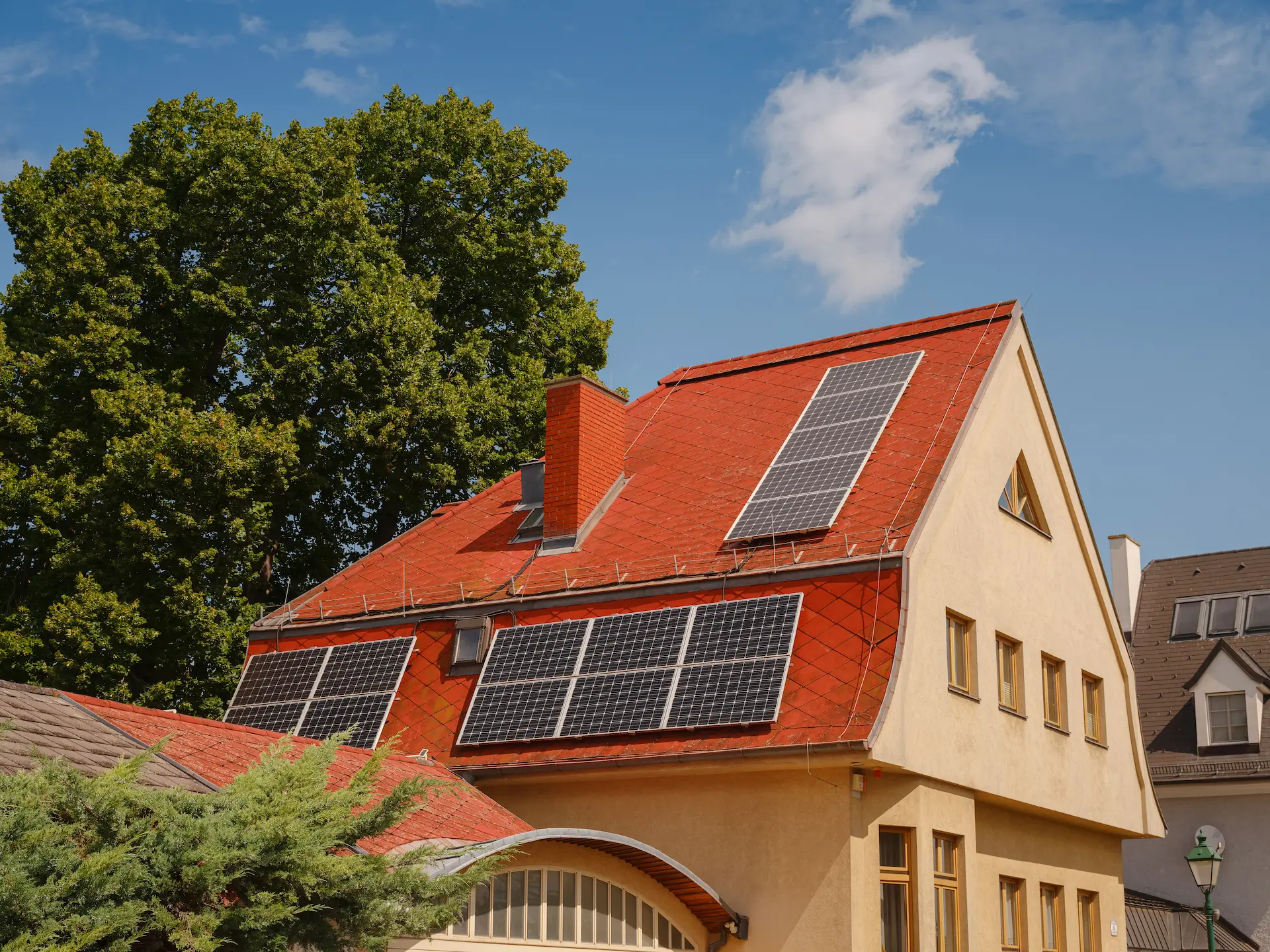
If you want to think beyond a simple balcony power plant, Berlin also offers subsidies for larger solar systems. The SolarPLUS program supports photovoltaic systems up to 30 kWp with grants of up to 15,000 euros.
These larger systems are particularly interesting for homeowners who want to make optimal use of their roof areas. The funding is tiered according to the installed capacity and can be even higher in combination with battery storage. An additional 1,000 euros per kWh of storage capacity is possible.
Tenant electricity models are also supported, in which landlords install solar systems and sell the generated electricity directly to their tenants. This can create a win-win situation for both sides, as tenants receive cheaper electricity and landlords generate additional income.
Balcony power plant subsidy Berlin 2025: Outlook and new developments
Further improvements to the balcony power plant subsidy in Berlin are planned for 2025. The city wants to further advance the solar initiative and is planning an increase in subsidy rates and a simplification of application processes.
An important innovation is the planned increase in the maximum output for subsidized balcony power plants from 800 to 1,000 watts. This corresponds to the new nationwide regulations and enables even more efficient power generation in a small space.
In addition, a new online portal is to be introduced that digitizes and accelerates the entire application process. This is intended to significantly reduce waiting times for approval and make the process more transparent.
Improvements are also planned for multi-family buildings. In the future, jointly used balcony power plants are to receive higher subsidies in order to enable access to solar energy for tenants in buildings without suitable balconies.
Photovoltaics subsidy Berlin: Additional support options
In addition to the SolarPLUS program, there are other funding instruments for photovoltaic systems in Berlin. The Renewable Energy Sources Act (EEG) guarantees a feed-in tariff for surplus electricity that your balcony power plant produces.
Although balcony power plants are generally designed for self-consumption, a surplus can occur with optimal orientation. This surplus is fed into the public grid and remunerated, even if the remuneration rates for small systems are relatively low.
There are also tax advantages. Since 2023, photovoltaic systems up to 30 kWp have been exempt from income tax and value-added tax, which further improves profitability.
Berlin also offers research and development funding for particularly innovative projects. If, for example, you are planning a balcony power plant with integrated battery storage or particularly efficient modules, you may be able to receive additional support.
Combination options with other energy-saving measures
A balcony power plant can be combined very well with other energy-efficient measures. Berlin also supports LED lighting, energy-efficient household appliances, and smart home systems that help you make optimal use of the electricity you generate yourself.
The combination with a battery storage system is particularly interesting. Although this is less common for balcony power plants, there are now compact storage solutions that can also be installed on balconies. These make it possible to use the solar power generated during the day in the evening.
Smart home systems can further increase the efficiency of your balcony power plant. Smart plugs and timers help you operate power-hungry devices when your solar system is producing the most energy.
Cost-effectiveness and payback
A subsidized balcony power plant typically pays for itself in Berlin within 6 to 8 years. With purchase costs of around 800 euros and a subsidy of 500 euros, only 300 euros remain as your own contribution. With annual electricity savings of 150 to 200 euros, the system quickly becomes profitable.
The service life of modern solar modules is at least 20 years, often 25 years or more. After the payback period, you produce practically free electricity for a long time. With rising electricity prices, the savings increase every year.
In addition to direct cost savings, a balcony power plant also increases the value of your property. Energy-efficient equipment is increasingly appreciated on the real estate market and can have a positive effect on sales or rental prices.
Installation and technical aspects
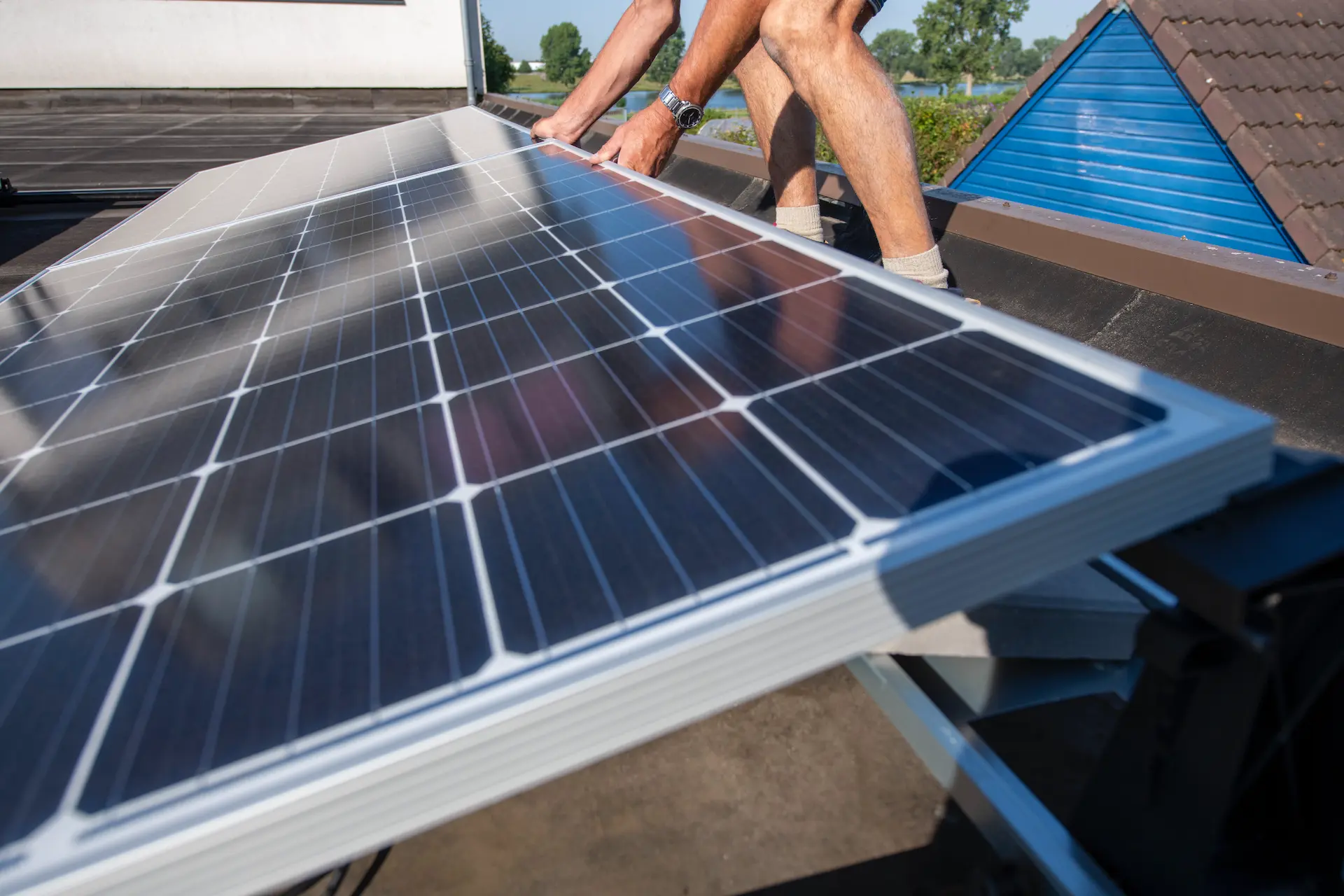
Installing a balcony power plant is fundamentally simple and can often be carried out by a layperson. The modules are attached to the balcony railing or the wall and connected directly to the home electrical system via a Schuko plug.
Nevertheless, you should observe some technical aspects. The orientation of the modules is crucial for yield. South-facing orientations are optimal, but east-west orientations can also deliver good yields. Shading from neighboring buildings or trees significantly reduces performance.
The electrical installation should be checked by a professional, even if no complex work is required. A modern electricity meter with reverse run protection is recommended to avoid problems with power feed-in.
Legal framework and approval procedures
For balcony power plants up to 800 watts, no complex approval procedure is required in Berlin. You only need to register the system with your grid operator and in the Market Master Data Register of the Federal Network Agency.
Registration with the grid operator is usually done online and is free of charge. Many grid operators now offer simplified procedures for balcony power plants that speed up processing.
As a tenant, you need your landlord’s approval. This is usually easy to obtain, as balcony power plants do not require structural changes and increase the value of the property. You should still obtain this approval in writing.
Maintenance and operation
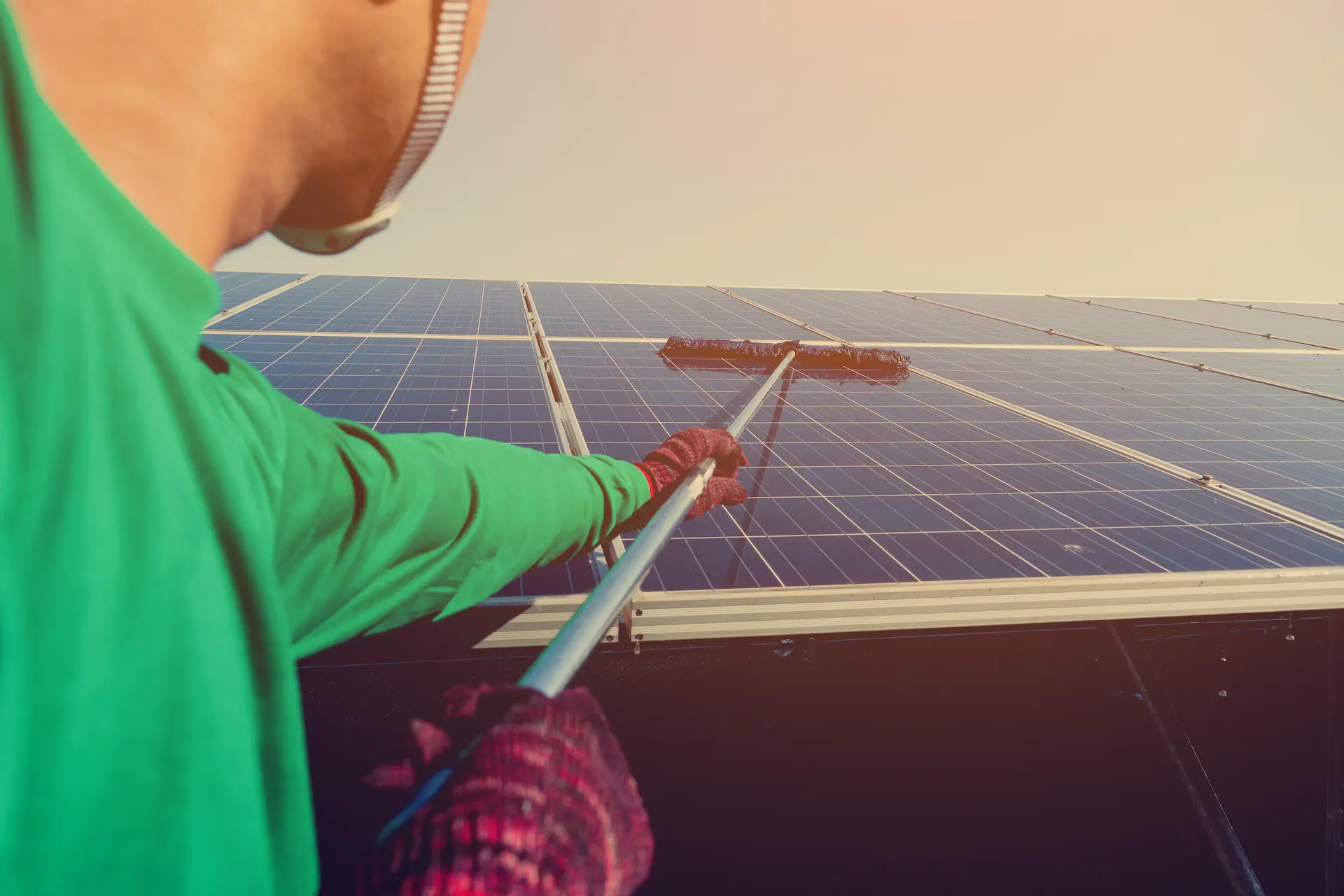
Balcony power plants are practically maintenance-free. The modules should be cleaned occasionally to remove dust and dirt that can impair performance. One to two cleanings per year are usually sufficient.
Inverters typically have a service life of 10 to 15 years and can be replaced if necessary. Modern devices are very reliable and report faults automatically via an app or LED display.
Regular monitoring of the yields helps to detect problems at an early stage. Many balcony power plants offer apps or online portals through which you can track electricity production.
Conclusion
The Balcony Power Plant Subsidy Berlin makes the entry into solar energy particularly attractive. With a grant of up to 500 euros, tenants and small consumers can produce their own solar power and at the same time contribute to climate protection. Easy installation, low maintenance requirements, and fast payback make balcony power plants one of the best investments in renewable energy.
At E-Homes, we understand that sustainable energy solutions are becoming increasingly important for modern living concepts. Our fully furnished apartments are already equipped with energy-efficient appliances, and we will be happy to advise you on further opportunities for energy optimization in your new home.
Frequently asked questions about the balcony power plant subsidy Berlin
How much is the maximum subsidy for a balcony power plant in Berlin?
The maximum subsidy is 500 euros per balcony power plant through the IBB SolarPLUS program. This usually corresponds to 40 to 50 percent of the purchase costs and makes the investment particularly attractive.
Can renters also apply for the balcony power plant subsidy?
Yes, renters can apply for the subsidy, but they need the landlord’s written approval. This approval is often easy to obtain, as balcony power plants do not require structural changes.
When should I submit the subsidy application?
You should submit the application before purchasing your balcony power plant. Applications submitted afterwards are usually not approved, so the correct sequence is important for a successful application.
What is the maximum output my subsidized balcony power plant may have?
The current limit is 800 watts. An increase to 1,000 watts is planned for 2025 to comply with the new nationwide regulations.
How long does the processing of the subsidy application take?
Processing usually takes between 4 and 8 weeks. With the planned digitization of processes, waiting times are expected to be significantly shorter from 2025.

You may also find these articles interesting

New build vs period property: Which apartment suits you?
Finding Affordable Housing in Berlin: Guide to Fair Rents