Berlin Co-Living: Flexible Living Concepts and Community

- Berlin Co-Living: Flexible living concepts for modern renters
- What co-living is and why Berlin is perfect for it
- The benefits of co-living in Berlin
- Co-living apartments in Berlin: Different models and options
- Co-living Berlin Kreuzberg: Living in the creative heart of the city
- Co-living Berlin Mitte: Living centrally and well connected
- How to find the right co-living option in Berlin
- Costs and contracts for co-living in Berlin
- Alternative living forms to classic co-living
- The future of co-living in Berlin
- Conclusion: Co-living as an enrichment for your life in Berlin
- Frequently asked questions about co-living in Berlin
Berlin Co-Living: Flexible living concepts for modern renters
Co-living is transforming living in Berlin and offers an innovative solution for everyone who values flexibility, community, and modern comfort. This contemporary housing concept combines private living spaces with shared areas and creates a unique balance between privacy and social interaction. In a vibrant metropolis like Berlin, this opens up entirely new ways of living together, which are especially attractive for young professionals, students, and international specialists as an alternative to the classic shared apartment or studio.
What co-living is and why Berlin is perfect for it
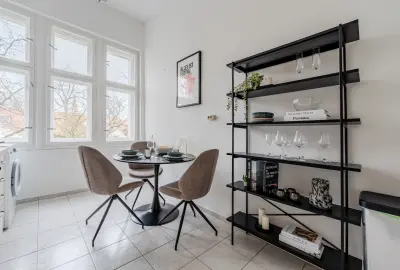
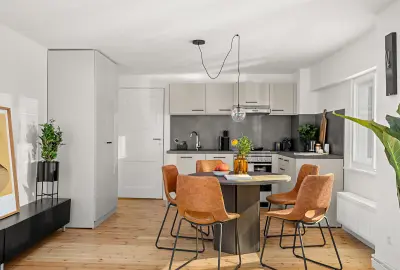
Co-living describes a modern form of housing in which residents have their own fully furnished rooms or small apartments, while sharing communal spaces such as the kitchen, living room, work areas, and often roof terraces or gardens. Unlike a traditional flatshare, co-living spaces are professionally managed and offer services such as regular cleaning of common areas, organized community events, and flexible lease terms.
Berlin has established itself as an ideal city for co-living because several factors come together here. There is high demand for affordable housing, an international and mobile population, and a vibrant startup and creative scene. Many people move to Berlin for professional projects, studies, or personal development and look for living solutions that are both practical and socially enriching.
The benefits of co-living in Berlin
Flexibility and comfort
Co-living gives you the possibility to arrive in Berlin quickly and easily. The furnished rooms are move-in ready, and you do not have to worry about furnishings, internet connection, or appliances. Flexible contract terms allow you to plan according to your life situation, whether you want to stay for three months or two years.
Community and networking
A major advantage of co-living is the built-in community. You live with like-minded people who often have similar professional or personal interests. Many co-living providers organize regular events, workshops, or joint activities, which can quickly lead to friendships and professional networks.
All-inclusive services
Most co-living concepts include services such as weekly cleaning of common areas, maintenance and repairs, and sometimes even extras like gym access or coworking areas. This takes a lot of organizational work off your hands and leaves more time for the important things in life.
Cost efficiency
Although co-living rooms may seem more expensive at first glance than a flatshare room, most utilities are already included. Internet, electricity, heating, cleaning, and often even household essentials are included in the rent, which makes budgeting much easier.
Co-living apartments in Berlin: Different models and options
In Berlin you will find various co-living models that differ in size, features, and target group. Classic co-living apartments offer your own furnished room with a private bathroom, while the kitchen and living area are shared. Larger co-living houses can accommodate 20 to 50 residents and often feature additional amenities such as roof terraces, fitness rooms, or event spaces.
Modern co-living providers place great emphasis on high-quality design and comfort. The spaces are stylishly furnished, often with sustainable materials and thoughtful storage solutions. The focus is not only on functionality but also on aesthetics and a feel-good factor.
There are special business co-living concepts for professionals with integrated workstations and meeting rooms. These are aimed at digital nomads, freelancers, or project staff who are in Berlin for work and need a professional work environment.
Co-living Berlin Kreuzberg: Living in the creative heart of the city
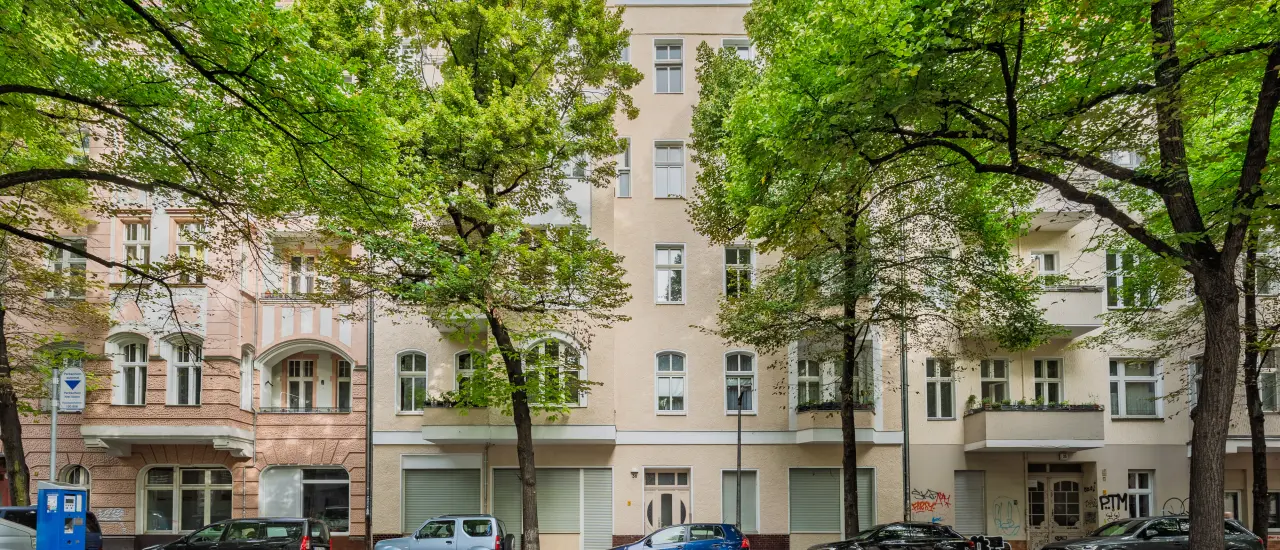
Kreuzberg has established itself as one of the most popular districts for co-living. The district combines creative energy, multicultural diversity, and a vibrant scene of startups, artists, and young professionals. In Kreuzberg, you often find co-living spaces in renovated historic buildings or modern new builds that preserve the neighborhood’s special charm.
The location in Kreuzberg offers short distances to trendy cafés, restaurants, and clubs. At the same time, the public transport connections are excellent, so you can quickly reach other districts or the airport. Many international companies and startups have offices nearby, which makes Kreuzberg particularly attractive for young professionals.
Co-living projects in Kreuzberg often place special emphasis on sustainability and community building. Community gardens, second-hand furniture projects, or regular neighborhood initiatives are not uncommon here and reflect the progressive spirit of the district.
Co-living Berlin Mitte: Living centrally and well connected
Mitte is the historical and political center of the capital and offers a very different co-living experience from Kreuzberg. Here you will often find co-living spaces in prestigious buildings with high ceilings and classic Berlin architecture. The central location allows you to reach many sights, museums, and shops on foot or with short journeys.
Co-living in Mitte particularly attracts international professionals who want to live close to their employers. Many consulting firms, ministries, and international organizations have offices here. Residents appreciate the professional atmosphere and the high standards of co-living providers.
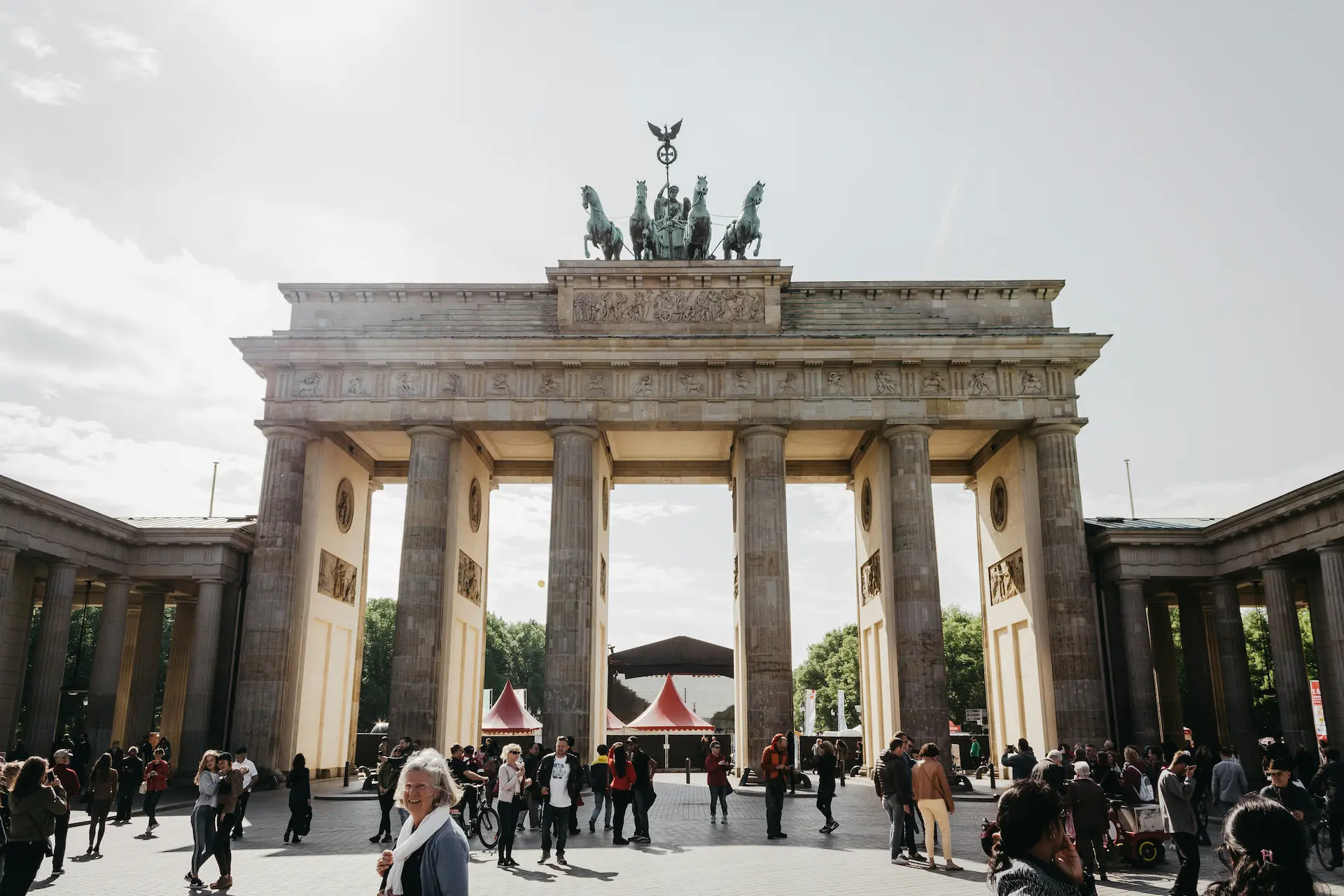
Being so close to Museum Island, the Brandenburg Gate, and the city’s main transport hubs makes co-living in Mitte particularly attractive for people who want to experience Berlin intensely while living in a central location.
How to find the right co-living option in Berlin
When searching for the right co-living space, you should first clarify your priorities. Do you value a central location, or is a quieter environment more important to you? Do you need a workspace in the apartment, or is a coworking area sufficient? How important are community events and social activities to you?
The contract terms should be flexible and suit your life situation. Pay attention to which services are included in the rent and whether additional fees apply. Many co-living providers offer viewing appointments or even trial stays so you can get a realistic impression.
The house rules and community guidelines give you insight into the atmosphere and everyday life. Reputable providers have clear structures for conflict resolution and ensure that all residents feel comfortable.

Costs and contracts for co-living in Berlin
The costs for co-living in Berlin vary depending on location, features, and included services. A room in a co-living space typically costs between 700 and 1,200 euros per month, with most utilities included. Central locations like Mitte or Prenzlauer Berg tend to be more expensive than areas like Wedding or Neukölln.
Most co-living providers work with flexible contracts starting at three or six months. Longer stays are often rewarded with discounts. A security deposit usually equals one to three months’ rent, depending on the provider and contract duration.
It is important that you clearly understand all included services. Internet, electricity, heating, and weekly cleaning are standard, but services like laundry, gym access, or premium internet may cost extra.
Alternative living forms to classic co-living
If classic co-living does not quite match what you have in mind, there are several related housing concepts in Berlin. Serviced apartments offer complete privacy with hotel-style service, although without the community component. Modern flatshares also rely on professional management but usually have longer lease terms.
E-Homes offers an interesting alternative with fully furnished apartments that combine the comfort of co-living with more privacy. These apartments are ideal if you value the flexibility and service of modern living concepts while still wanting your own living space.
The future of co-living in Berlin
Co-living is continuously evolving in Berlin. New concepts integrate sustainability, smart home technology, and innovative community formats. Many providers are expanding their portfolios to include coworking areas, fitness studios, or even rooftop restaurants.
Rising demand for flexible living solutions will likely lead to more options across different price segments. Development in the outer districts will be particularly interesting, where larger projects with more green spaces and community areas can be created.
Conclusion: Co-living as an enrichment for your life in Berlin
Co-living offers you a unique way to experience Berlin intensively while becoming part of a vibrant community. The combination of flexibility, comfort, and social contacts makes this housing concept particularly attractive to people who are open to new experiences.
Whether in Kreuzberg among art and culture, in Mitte at the heart of politics, or in other exciting Berlin districts, co-living opens up new perspectives on city life and can lead to valuable personal and professional connections.
If you are looking for a flexible, modern housing solution in Berlin or are interested in alternative living concepts, contact E-Homes for individual advice on the many ways of living in Germany’s capital.
Frequently asked questions about co-living in Berlin
Is co-living in Berlin more expensive than a normal flatshare?
Co-living may seem more expensive at first, but most utilities are included. If you factor in internet, electricity, cleaning, and services, co-living is often more cost-efficient than a traditional flatshare with separate utility bills.
How long can I stay in a co-living space?
Most providers offer flexible contracts from three months up to several years. Many co-living spaces are designed for medium-term stays of six to twelve months, but longer stays are usually possible.
Is there co-living for families or couples as well?
Yes, many modern co-living concepts offer special solutions for couples or even small families. These provide larger private areas while still allowing access to shared spaces and services.
How does registration work in co-living spaces?
In reputable co-living projects, official registration of residence is straightforward. Providers supply all necessary documents and support you with dealing with the authorities.
What happens if there are conflicts with housemates?
Professional co-living providers have established procedures for conflict resolution. Community managers or property managers mediate problems and ensure harmonious living for all residents.

You may also find these articles interesting

Berlin Co-Living: Flexible living concepts for modern renters
Living in Potsdam: Your guide to rental prices and neighborhoods