Accessible Apartment Berlin: Tips, Districts, Funding

- Entrances and doors
- Kitchen and living area
- Bathroom
- Balcony and terrace
- Financial support
- Online portals and specialized providers
- Prepare for viewing appointments
- Questions to ask the landlord
- What criteria must an apartment meet for accessibility?
- Are there funding options for accessible apartments in Berlin?
- How expensive are accessible apartments in Berlin?
- Which Berlin districts are particularly suitable for accessible living?
- Can I have accessible modifications carried out as a tenant?
Find an Accessible Apartment in Berlin
Finding an accessible apartment in Berlin requires specific knowledge of legal requirements, structural standards, and available subsidies. Whether for people with mobility impairments, wheelchair users, or as a proactive choice for later life, an accessible apartment enables independent living in one of Germany’s most diverse cities.
What is an accessible apartment?
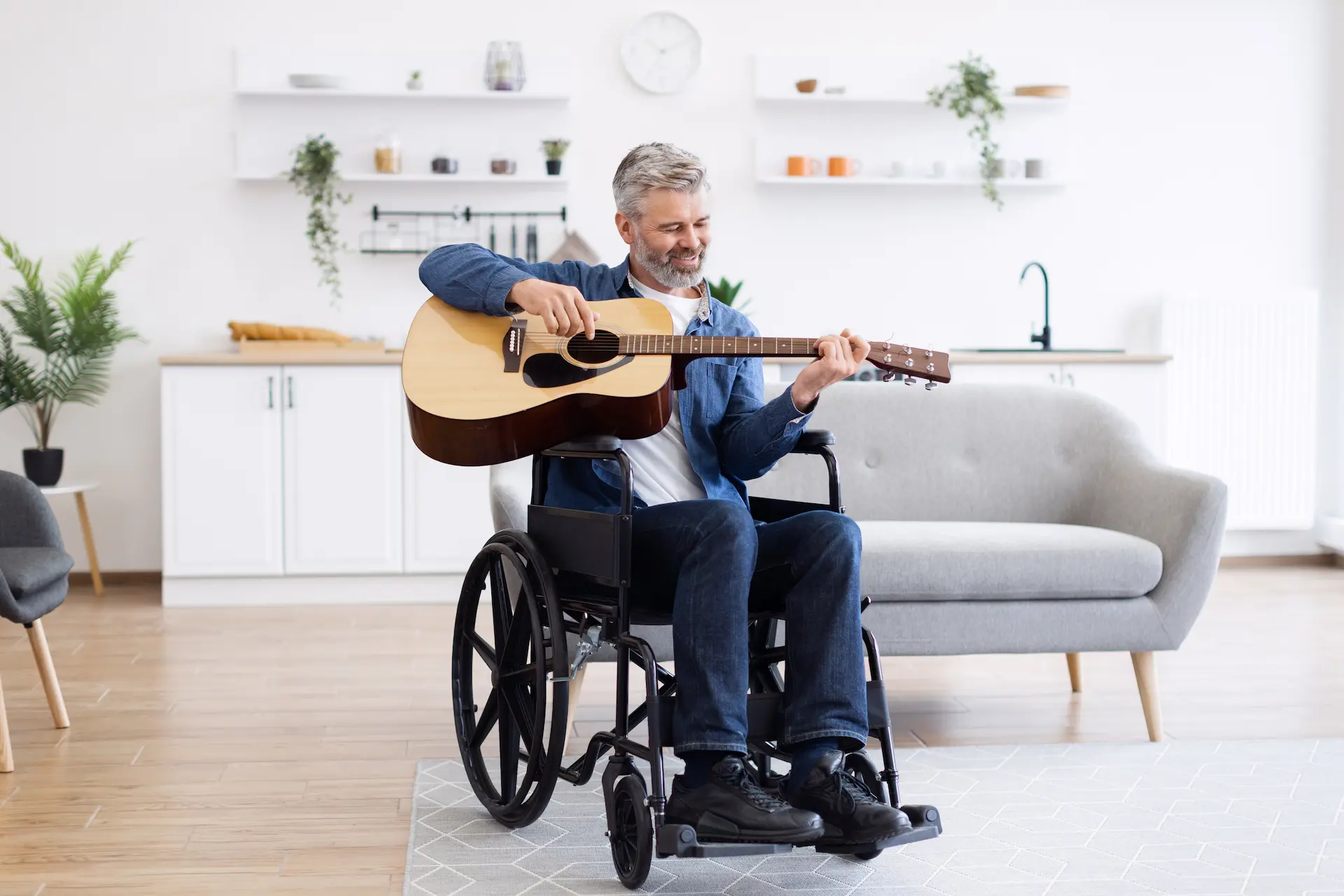
An accessible apartment is based on the standards of DIN 18040-2 and is designed so that people with different physical limitations can use it independently. Key features include threshold-free entrances, sufficiently wide doors (at least 80 cm), wheelchair-accessible kitchen countertops, level-access showers, and enough maneuvering space for wheelchairs or walking aids.
Since the new Berlin Building Code of 2018, stricter regulations for accessible construction apply. New buildings above a certain size must include a share of accessible apartments. These regulations ensure a growing supply of modern, accessible housing in the capital.
Accessible apartments in Berlin: The most important districts
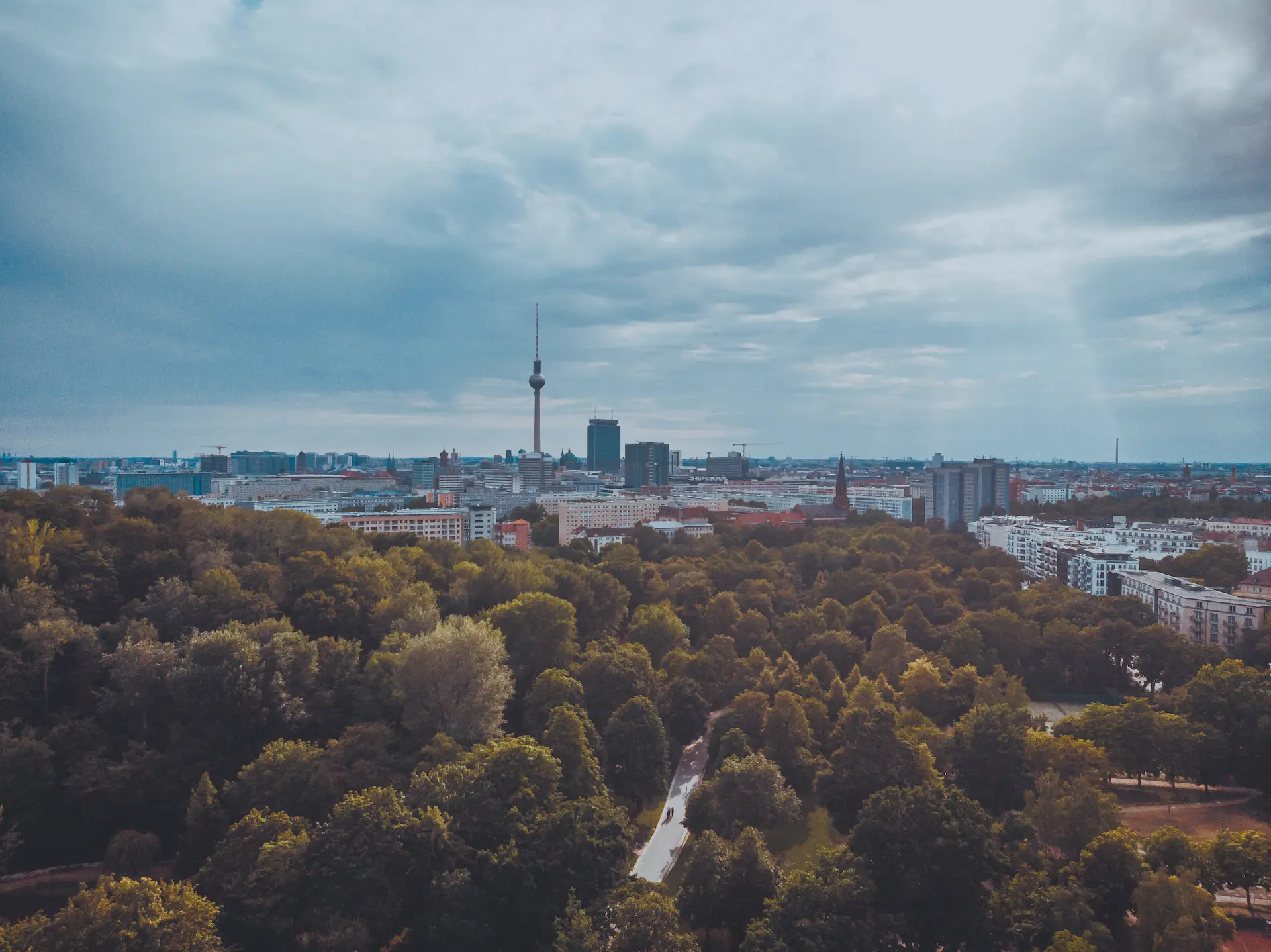
Berlin offers attractive options for accessible living in various boroughs. Districts with modern infrastructure and good public transport connections are particularly suitable:
Charlottenburg-Wilmersdorf stands out with many new developments and excellent medical services. The wide streets and well-developed sidewalks make getting around much easier.
Mitte and Prenzlauer Berg have undergone extensive renovations in recent years and offer contemporary apartments with accessible standards. The central location shortens distances to key services.
Steglitz-Zehlendorf combines quiet living with modern apartments and is particularly appealing to people who value green spaces and a more relaxed atmosphere.
Neukölln is developing into a popular residential location with affordable, newly renovated apartments that are increasingly designed to be accessible.
Accessible apartments: Features in detail
Entrances and doors
Accessible apartments have threshold-free entrances and doors with a minimum width of 80 cm. Door handles are mounted at a height of 85 cm and are easy to operate. Automatic door openers or low door thresholds further ease access.
Kitchen and living area
Modern accessible kitchens provide wheelchair-clearance under work surfaces that are height adjustable. Wall cabinets are mounted within easy reach, and key controls are placed accessibly. The living area provides sufficient maneuvering space for wheelchairs (at least 1.5 x 1.5 meters).
Bathroom
The bathroom is often the most important room in an accessible apartment. Level-access showers with non-slip floors, grab bars in strategic locations, and wheelchair-clearance under washbasins are standard. A toilet height of 46 to 48 cm and sufficient space for side transfers complete the setup.
Balcony and terrace
Balconies and terraces are threshold-free and offer enough space to turn. The parapet height is a maximum of 60 cm to ensure an unobstructed view while seated.
Legal framework and funding
Berlin follows nationwide standards but has introduced additional local regulations. The Berlin Building Code stipulates that in multi-family buildings with four residential units or more, at least one must be accessible and usable.
Financial support
KfW offers various funding programs for accessible living. The program “Altersgerecht Umbauen” supports both tenants and owners in converting existing apartments. Grants of up to 6,250 euros or low-interest loans of up to 50,000 euros per residential unit are possible.
The State of Berlin complements this funding with its own programs. The Investitionsbank Berlin (IBB) provides grants for housing adaptation measures, especially for people with disabilities or those in need of care.
Accessible apartment: Tips for your housing search
Online portals and specialized providers
Use search filters for “barrier-free” or “wheelchair accessible” on major real estate portals. Many providers now have dedicated categories for accessible apartments.
E-Homes offers a selection of modern, accessible apartments for rent that are already fully furnished. This is particularly convenient since all necessary furniture and furnishings have already been selected and placed accordingly.
Prepare for viewing appointments
Create a checklist with all key points: door widths, thresholds, maneuvering spaces, grab bars, and electrical controls. It is best to bring a second person to the viewing who can notice details that you might miss.
Questions to ask the landlord
Clarify in advance which modifications are permitted if the apartment does not fully meet your personal needs. Many landlords are cooperative when it comes to necessary adjustments, especially if funding is available.
Costs and prices of accessible apartments in Berlin
Rents for accessible apartments vary significantly depending on location and features. In central districts such as Mitte or Charlottenburg, cold rents range between 12 and 18 euros per square meter. In outer districts such as Spandau or Hellersdorf you can find accessible apartments starting at 8 euros per square meter.
New-build apartments with high-quality accessible features are priced accordingly higher but often offer the latest technical standards. Older buildings that have been retrofitted are usually more affordable, although you should carefully check whether all standards have been met.
Plan accessible living for older age
Many people only consider accessibility once limitations already exist. It is worthwhile to plan earlier. An accessible apartment not only provides more safety in later life but also adds comfort in everyday living.
If you are looking for a long-term rental solution, make sure the apartment remains suitable if your physical needs change. Wide hallways, threshold-free transitions, and a well-accessible bathroom will save you effort and costs later on.
Public transport and infrastructure: Key factors
A perfectly accessible apartment is of limited use if the surroundings are not suitably equipped. Berlin has significantly improved its public transport system in recent years. Almost all stations on the newer underground lines have elevators, and older stations are continuously being retrofitted.
Pay attention to proximity to doctors’ offices, pharmacies, supermarkets, and other important services. Many districts have advisory centers for accessible mobility that can help with orientation.
E-Homes: Your partner for accessible living
At E-Homes we understand the particular requirements of accessible living. Our modern apartments meet current standards and give you the flexibility of a furnished home without a long-term commitment.
All apartments are regularly checked for suitability, and our service team is available for questions about adjustments or special requirements. We support you professionally and empathetically from the first inquiry to your move-in.
Conclusion: Live independently in Berlin
Finding an accessible apartment in Berlin is easier than ever today. Thanks to legal requirements, funding programs, and a growing awareness of the needs of all people, new high-quality housing options are continuously being created.
Whether as a precaution, out of immediate necessity, or for relatives, invest time in a careful selection. A well-chosen accessible apartment enables years of independent living in one of Europe’s most exciting cities.
Request your accessible apartment at E-Homes now and receive non-binding advice.
Frequently asked questions about accessible apartments in Berlin
What criteria must an apartment meet for accessibility?
An accessible apartment must be threshold-free, have doors that are at least 80 cm wide, provide sufficient maneuvering space (minimum turning circle 150 x 150 cm), and include an accessible bathroom with a level-access shower.
Are there funding options for accessible apartments in Berlin?
Yes, KfW offers the “Altersgerecht Umbauen” program with grants up to 6,250 euros or loans up to 50,000 euros. In addition, IBB Berlin provides its own funding for housing adaptation measures.
How expensive are accessible apartments in Berlin?
Prices vary by district between 8 euros in outer districts and 18 euros in central areas per square meter cold. New-build apartments with full accessible features are priced higher accordingly.
Which Berlin districts are particularly suitable for accessible living?
Charlottenburg-Wilmersdorf, Mitte, Prenzlauer Berg, and Steglitz-Zehlendorf offer the best combination of modern accessible apartments, good public transport connections, and medical services.
Can I have accessible modifications carried out as a tenant?
In principle yes, but you need your landlord’s consent. Many landlords agree, especially if funding can be used or if the modification increases the property’s value.

You may also find these articles interesting

Berlin Co-Living: Flexible living concepts for modern renters
Living in Potsdam: Your guide to rental prices and neighborhoods