Berlin Budget Calculator: Guide to Real Estate Budget Planning

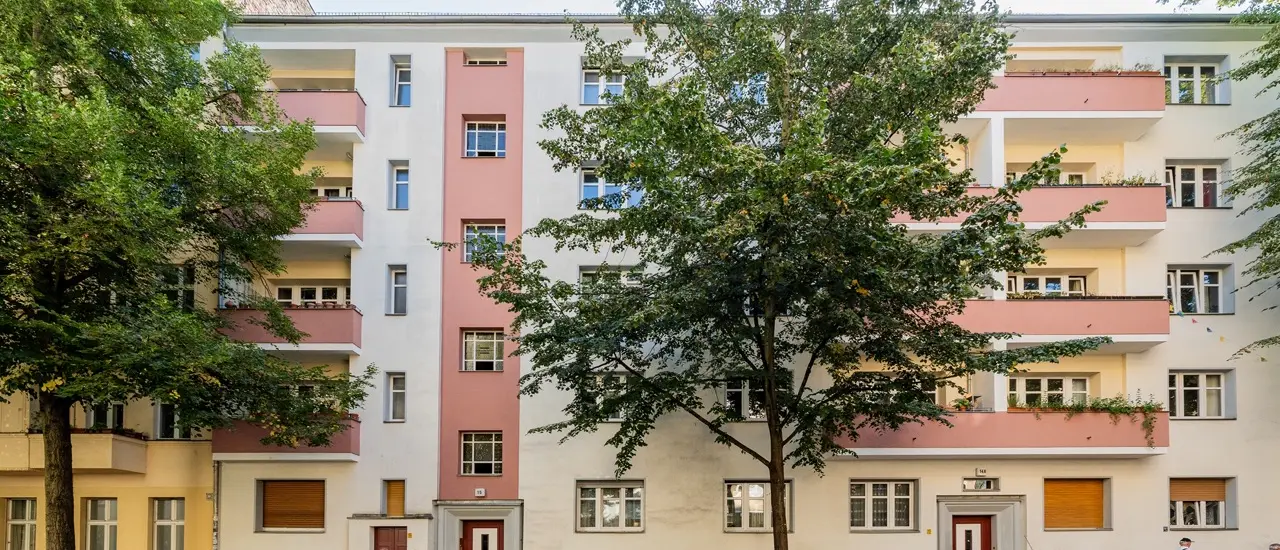
- Real Estate Budget Calculator: The Ultimate Guide for Berlin
- What is a budget calculator for real estate?
- Planning a property budget: The basics of financial planning
- Real estate financing calculator: Weighing purchase vs. rent
- How much property you can afford: Develop realistic price expectations
- Using a budget calculator correctly: Step by step instructions
- Berlin specific considerations in budget planning
- Online tools and apps for budget planning
- Avoiding common mistakes in budget planning
- Conclusion: The right budget calculator to your dream apartment
- Frequently asked Questions
Real Estate Budget Calculator: The Ultimate Guide for Berlin
A budget calculator is an indispensable tool when searching for property in Berlin. It helps you realistically assess your financial situation and find the right apartment or flat. With a well thought out budget plan, you avoid nasty surprises and find out whether renting or buying is the right decision for you.
What is a budget calculator for real estate?
A real estate budget calculator is a digital tool that uses your income and expenses to determine which monthly costs for rent or home financing are realistic. The tool considers not only the base rent or total warm rent, but also all ancillary costs associated with housing. For a property purchase, the budget calculator also factors in the required down payment, purchase-related costs and the monthly loan installments.
When searching for an apartment in Berlin, such a calculator is particularly valuable because price ranges vary significantly from one district to another. While you can still find affordable apartments in Wedding or Neukölln, apartments in Prenzlauer Berg or Charlottenburg cost considerably more. A budget calculator gives you the necessary overview of your financial possibilities.
Most budget calculators follow the proven 30 to 40 percent rule. Housing costs should not exceed 30 to 40 percent of net income. This rule of thumb has proven effective for keeping enough financial room for other living expenses.

Planning a property budget: The basics of financial planning
Thoughtful financial planning is the first step toward a successful property search. When planning your real estate budget, proceed systematically and record all relevant income and expenses. Start with your net income and subtract all fixed monthly costs, from health insurance to mobile phone and internet to groceries and leisure activities.
For a realistic budget plan, you should also factor in unforeseen expenses. Experts recommend setting aside at least 10 percent of disposable income as a buffer for repairs, vacations or career changes. This flexibility is important in Berlin, where the job market is dynamic.
When renting in Berlin, you must consider ancillary costs in addition to the net cold rent. These vary depending on apartment size and energy standard. For 2 room apartment in Berlin, you can expect additional ancillary costs of 150 to 250 euros, which include heating, water, waste collection and caretaker service.
If you are considering a condominium, additional cost items come into play. Condominium association fees (Hausgeld), reserves for repairs and possible special assessments must be included in your budget planning. These costs vary significantly depending on the age and condition of the property, from 2 euros per square meter in newer buildings to 5 euros in older buildings with higher maintenance needs.
Real estate financing calculator: Weighing purchase vs. rent
A real estate financing calculator helps you make the important decision between buying and renting. It compares not only monthly costs, but also long term financial development. This trade off is especially relevant in Berlin, where property prices have risen sharply in recent years.
To finance a condominium, you typically need at least 20 to 30 percent down payment. For a 400,000 euro apartment, that corresponds to 80,000 to 120,000 euros that you should already have saved. In addition, purchase related costs of about 12 to 15 percent apply. In Berlin, that would be another 48,000 to 60,000 euros in our example for real estate transfer tax, notary and land register fees and possibly brokerage commission.
The financing calculator also considers tax aspects. For owner occupied properties, you cannot deduct mortgage interest for tax purposes, but after ten years the speculation tax on gains upon sale no longer applies. For rental properties, both loan interest and depreciation are tax deductible, which can significantly improve returns.
Current interest rates play a crucial role in the calculation. With low rates of 2 to 3 percent, buying an apartment can be cheaper than renting, especially if you plan to stay in Berlin long term. With higher rates of 4 to 5 percent, the balance often shifts in favor of renting.

How much property you can afford: Develop realistic price expectations
The question of how much property you can afford depends on various factors and should be answered honestly to avoid future financial bottlenecks. In Berlin, property prices vary widely depending on location. While you can still find apartments starting at 300,000 euros in up and coming districts like Wedding or Lichtenberg, comparable properties in Mitte or Prenzlauer Berg can quickly cost twice as much.
As a general rule, the monthly burden for interest, principal and ancillary costs should not exceed 40 percent of your net income. With a net income of 3,500 euros, you can therefore allocate a maximum of 1,400 euros per month to property financing. At an interest rate of 3.5 percent and a repayment rate of 2 percent, this corresponds to a loan amount of about 300,000 euros.
Do not forget that purchase related costs are added to the purchase price. In Berlin, the real estate transfer tax is 6 percent, plus notary and land register fees of about 1.5 to 2 percent. If a broker is involved, a further 3.57 percent commission applies. In our 300,000 euro example, you should therefore expect additional costs of 30,000 to 45,000 euros.
Your financing should be planned so that there is still enough room for other areas of life. A high initial repayment can shorten the term but limits your financial flexibility. Many experts recommend a moderate repayment rate of 2 to 3 percent combined with the option to make special repayments if your income improves.
Using a budget calculator correctly: Step by step instructions
Correct use of a budget calculator requires a systematic approach. Start by precisely recording your income situation. In addition to your main income, include regular secondary income, child benefits or other government benefits. If your income fluctuates, calculate conservatively and use the average of the last 12 months.
The next step is a realistic assessment of your expenses. Many people significantly underestimate their monthly costs. Keep a household budget for a few months or use banking apps that automatically categorize your expenses. Fixed costs include health insurance, other insurance, mobile phone, internet, car or public transportation, gym and similar contracts.
Variable expenses such as groceries, clothing, restaurants and leisure activities vary widely depending on lifestyle. Honesty matters here as well. If you regularly spend 400 euros on food and going out, include that in your calculation. A budget that is too tight will later lead to frustration or financial problems.
Pay special attention to one off or infrequent expenses. These include vacations, major purchases, birthday gifts or repairs. Experts recommend setting aside 5 to 10 percent of disposable income each month for these purposes. For property financing, a maintenance reserve is also important, because even the nicest apartment will occasionally need repairs.
Berlin specific considerations in budget planning
As the capital, Berlin offers special conditions for your property planning. The Berlin rent cap is history, but rent control still limits rent increases in many districts. This makes rentals attractive, especially if you do not yet know whether you want to stay in the city long term.
For a purchase, you can benefit from various support programs. The Investitionsbank Berlin (IBB) offers low interest loans for families with children or middle incomes. KfW programs such as the home ownership program can also improve your financing. You should definitely include these subsidies in your budget calculator because they can significantly reduce your monthly burden.
Transportation connections play an important role in Berlin for your budget planning. Apartments in well connected locations are more expensive, but they save you time and money on daily commuting. A monthly pass for zones AB currently costs 86 euros, and for ABC it is 106 euros. If a central location enables you to forgo a car, you can save several hundred euros per month.
Your choice of district also affects your budget. In Charlottenburg or Steglitz Zehlendorf, the cost of living is higher due to more expensive restaurants and shops than in Wedding or Neukölln. At the same time, central districts often offer better infrastructure and shorter distances, which can have a positive impact on your quality of life.
Online tools and apps for budget planning
Modern budget calculators offer far more than simple calculation aids. Many tools are now available as mobile apps and connect to your bank accounts to automatically categorize expenses and identify savings potential. Apps like YNAB (You Need A Budget) or free alternatives from savings banks and other banks help you keep track of your finances.
Specialized real estate calculators go one step further. They consider not only current costs but also simulate long term development. This allows you to play through different scenarios. What happens if interest rates rise? How does your burden change with salary increases? Such analyses help you make informed decisions.
Many online tools also offer comparisons between different financing options. You can compare, for example, a classic annuity loan with a building savings plan or KfW funding. These tools consider not only the monthly payment, but also total costs over the entire term.
When using online calculators, you should pay attention to data protection. Reputable providers process your entries only temporarily and do not store personal information. Be wary of tools that ask for too many private details or request your account data.
Avoiding common mistakes in budget planning
The most common mistake when using budget calculators is overly optimistic self assessment. Many people calculate with their gross income instead of the actual net amount available, or they forget important expense items. There is also a tendency to underestimate expenses and overestimate income, which leads to unrealistic results.
Another classic mistake is neglecting reserves. Whether renting or buying, unforeseen costs can arise. Rent increases, repairs or job changes can quickly throw your budget off balance. Experts recommend having at least 3 to 6 months of expenses available as an emergency fund.
In property financing, purchase related and ongoing ancillary costs are often underestimated. In addition to one time purchase fees, condominiums incur ongoing costs for condo fees, maintenance and insurance. These hidden costs can add 200 to 400 euros per month, an amount that is often overlooked in financing plans.
Emotional decisions can also derail budget planning. If the dream apartment is slightly more expensive than originally planned, many people tend to stretch their budget limits. In the long run, this often leads to financial problems and significantly reduces the joy of living.

Conclusion: The right budget calculator to your dream apartment
A well designed budget calculator is your most important companion on the way to the right property in Berlin. It not only helps you develop realistic price expectations, but also understand the long term financial implications of your decision. With an honest assessment of your finances and the right tools, you can find out whether renting or buying is the better choice for you.
At E-Homes, we are happy to support you with budget planning and help you find the right apartment. Our experts know the Berlin market well and offer honest advice on your financial possibilities. Let us discuss your plans together and take the first step toward your new home. Book a consultation now and find your dream apartment.
Frequently asked Questions
What is the difference between net cold rent and warm rent?
Net cold rent is the base rent excluding ancillary costs. Gross rent or warm rent also includes heating, water, waste collection and other operating costs. In Berlin, ancillary costs are usually between 2 and 4 euros per square meter.
How much down payment do I need to buy property in Berlin?
You should bring at least 20 to 30 percent of the purchase price as a down payment. In addition, you need money for purchase related costs, which in Berlin amount to about 12 to 15 percent of the purchase price.
Can I afford a condominium if I am currently renting?
That depends on your individual situation. Use a financing calculator to compare renting and buying. Consider not only the monthly payments but also factors such as flexibility, maintenance costs and potential appreciation.
What happens if my income situation changes?
With rentals, you can react relatively flexibly and move if necessary. For condominiums, you should agree on options for special repayments and plan sufficient reserves for lean periods. Disability or unemployment insurance is advisable.

You may also find these articles interesting

Temporary housing in Berlin - flexible, furnished, move-in ready

How Much Does an Apartment Cost in Berlin? Rent and Purchase