Real Estate as a Capital Investment in Berlin: Returns and Tips 2025


- Stable population growth and housing shortage
- International appeal as an economic and cultural hub
- Positive price development despite regulation
- Market development and price level
- Property types in demand for investors
- Future trends: sustainability and smart home
- Rental yields in different districts
- Factors for optimal returns
- Calculation fundamentals for investors
- Beginners: smaller apartments as an investment
- Experienced investors: multi-family houses and refurbishment assets
- Portfolio diversification through Berlin real estate
- Advantages of real estate investments in Berlin
- Risks and challenges
- Financing options for investors
- Requirements for loan approval
- Alternative forms of financing
- Established investment locations
- Up-and-coming neighbourhoods with potential
- Make use of depreciation options
- Optimize deductible expenses
- Owner-occupation vs. letting
- Due diligence: what to check before purchase
- Use professional guidance
- Develop long-term strategies
- What return can I expect from real estate as an investment in Berlin?
- How much equity do I need for an investment property in Berlin?
- Which Berlin districts are best suited for real estate investments?
- Can I claim tax deductions for an investment property?
- Is buying a property in need of renovation worthwhile as an investment?
Real Estate as a Capital Investment in Berlin
Berlin has established itself as one of the most attractive locations for real estate investments in Germany. The capital offers investors stable appreciation prospects, continuously rising rents and high demand for housing. Whether for long-term wealth building or regular rental income, real estate as a capital investment in Berlin promises both security and profitability.
Why Berlin is ideal for investment properties
Stable population growth and housing shortage
Berlin is growing steadily and attracts new residents year after year. This demographic development leads to increasing demand for housing while supply remains limited. This market dynamic creates ideal conditions for investors who are aiming for long-term value appreciation and stable rental income.
International appeal as an economic and cultural hub
The capital attracts not only Germans moving in, but also international professionals, students and companies. This variety of target groups creates broad demand for different types of apartments and locations. Particularly sought-after districts such as Prenzlauer Berg, Wedding or Neukölln offer investors different return opportunities depending on the target group.
Positive price development despite regulation
Although the Berlin real estate market is regulated, purchase prices remain stable to rising. The rent cap was abolished and the long-term outlook for property value development remains positive, which is an important factor for successful investments.
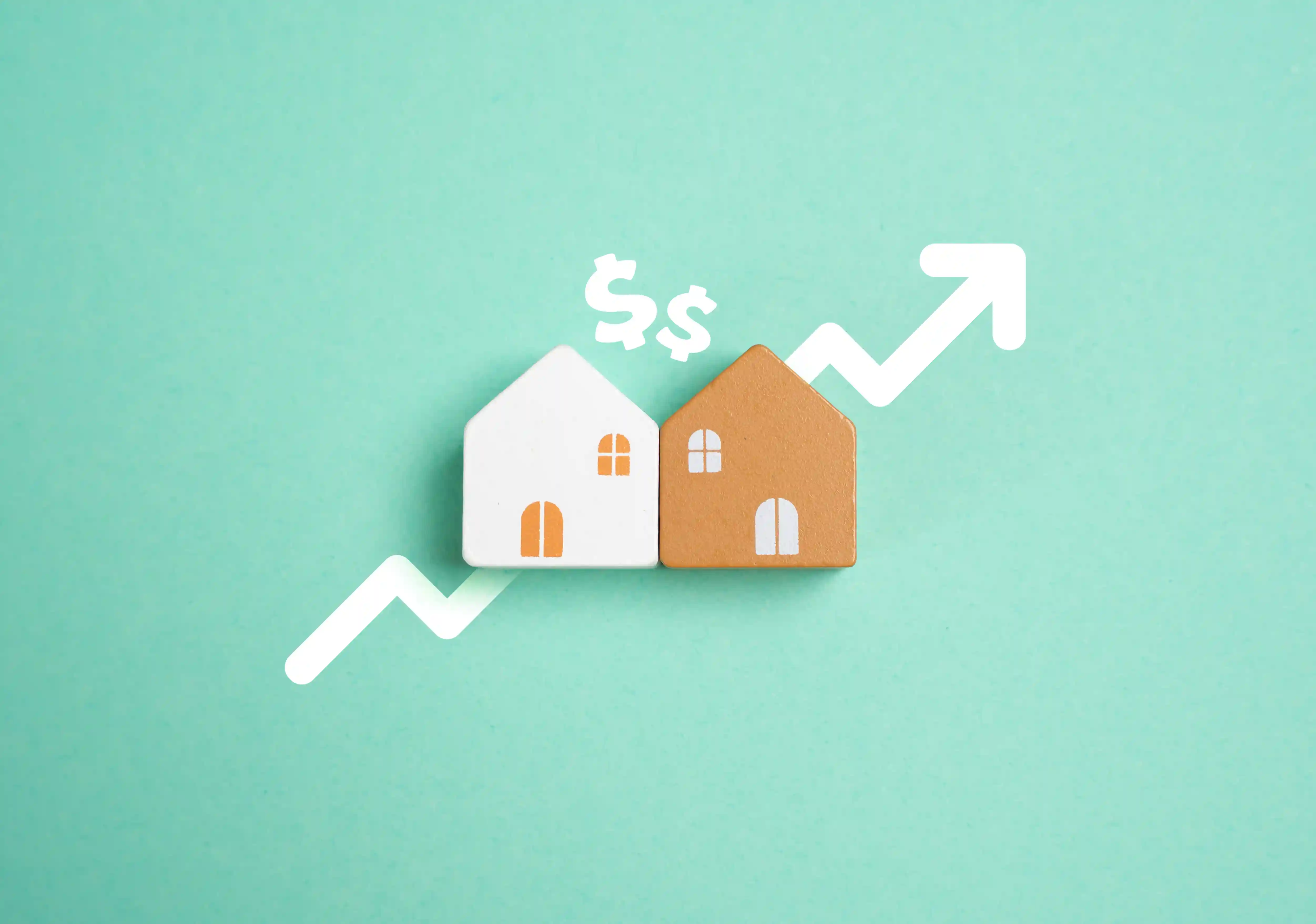
Berlin real estate market 2025: current trends and outlook
Market development and price level
The Berlin real estate market is proving robust in 2025 and continues to offer attractive entry opportunities for investors. While prime locations have already reached high prices, there are still affordable buying opportunities with high appreciation potential in up-and-coming neighbourhoods.
Property types in demand for investors
Particularly in demand are:
- Period apartments with refurbishment potential
- Modern apartments in central locations
- Small to medium-sized units (1 to 3 rooms)
- Properties with a balcony or terrace
- Properties in districts with good transport connections
Future trends: sustainability and smart home
Energy-efficient buildings are increasingly preferred because they generate lower operating costs and enable higher rental yields. Smart home integration and sustainable building materials are becoming more important for the long-term value development of investment properties.
Buying an apartment in Berlin returns: realistic expectations
Rental yields in different districts
Gross rental yields vary by location between 3% and 6% per year. While central districts such as Mitte or Charlottenburg offer lower yields with higher value stability, outlying districts such as Lichtenberg or Spandau can achieve higher rental yields.
Factors for optimal returns
- Location and transport connections
- Condition and features of the property
- Target group and demand in the district
- Modernization and value-add potential
- Management and maintenance costs
Calculation fundamentals for investors
When calculating returns, you should consider not only the purchase price but also ancillary purchase costs, refurbishment outlays and ongoing operating expenses. A realistic calculation includes real estate transfer tax, notary fees, broker fees and potential modernization costs.

Real estate investment Berlin: strategies for different types of investors
Beginners: smaller apartments as an investment
For newcomers, 1 to 2 room apartments in sought-after locations are particularly suitable. They are comparatively affordable to acquire, easy to manage and appeal to a broad tenant base. Students, young professionals and singles create stable demand.
Experienced investors: multi-family houses and refurbishment assets
Investors with more experience can invest in multi-family houses or period buildings in need of refurbishment. These often offer higher returns but require more capital and expertise in property management.
Portfolio diversification through Berlin real estate
Properties in different Berlin districts can optimally diversify an investment portfolio. A mix of established and up-and-coming locations reduces risk and maximizes the potential for value appreciation.
Is buying an apartment in Berlin worth it: weighing opportunities and risks
Advantages of real estate investments in Berlin
Stabile Wertsteigerung: Berlin properties have continuously gained in value in recent years and this development is likely to continue in the long term.
Inflationsschutz: Real estate offers effective protection against inflation because both purchase prices and rents tend to rise with inflation.
Regelmäßige Einnahmen: Let properties generate monthly rental income and thus create passive income.
Steuerliche Vorteile: Investors can claim deductible expenses, depreciation and interest for tax purposes.
Risks and challenges
Regulatory risks: Political decisions such as rent control or conservation area regulations can affect returns.
Administrative effort: Letting and maintenance require time and expertise or external service providers.
Market risks: Even in Berlin, property prices can temporarily stagnate or decline.
Liquidity risk: Real estate cannot be sold as quickly as other asset classes.
Financing investment properties
Financing options for investors
Most investors finance their property through a combination of equity and bank loans. Typical loan-to-value limits are 60% to 80% of the purchase price. Interest rates for investment properties are usually slightly higher than for owner-occupied properties.
Requirements for loan approval
- Sufficient and stable income
- Equity of at least 20% to 40%
- Positive Schufa report
- Viable financing concept
- Creditworthiness and track record
Alternative forms of financing
In addition to classic bank loans, there are other options such as building savings loans for modernizations, employer loans or private investors. Forward loans can be useful if interest rates are expected to rise.
The best Berlin districts for capital investments
Established investment locations
Prenzlauer Berg: High value stability but correspondingly high purchase prices. Ideal for conservative investors with a long-term horizon.
Charlottenburg: Central location with excellent infrastructure. Attractive for landlords targeting high-income tenants.
Mitte: Tourism and business districts ensure stable demand, albeit with high entry prices.
Up-and-coming neighbourhoods with potential
Wedding: Gentrification is in full swing, still moderate prices with rising demand.
Neukölln: The northern part in particular is developing dynamically and offers good return opportunities.
Friedrichshain: A creative scene and a young target group create constant housing demand.
Tax aspects of investment properties
Make use of depreciation options
Landlords can claim 2% of the acquisition costs per year, excluding land, as depreciation. This straight-line depreciation significantly reduces the tax burden and improves the net return.
Optimize deductible expenses
All costs related to letting are deductible as expenses:
- Loan interest
- Administrative costs
- Maintenance and refurbishment costs
- Insurance
- Property manager fees
Owner-occupation vs. letting
With owner-occupation, depreciation options are not available, but a sale after 10 years is tax-free. For let properties, the 10-year speculation period applies for tax-free capital gains on disposal.
Practical tips for buying property as an investment
Due diligence: what to check before purchase
- Assess the location and infrastructure of the property
- Have the structural condition inspected by an expert
- Analyse lease agreements and current rent levels
- Review operating costs and management
- Evaluate value appreciation potential
Use professional guidance
An experienced real estate agent knows the local market and can support both property selection and price negotiations. At E-Homes you benefit from comprehensive advice and a curated selection of vetted investment properties.
Develop long-term strategies
Successful real estate investors think long term. Thoughtful portfolio planning, regular market monitoring and continuous optimization of operations are key to success.
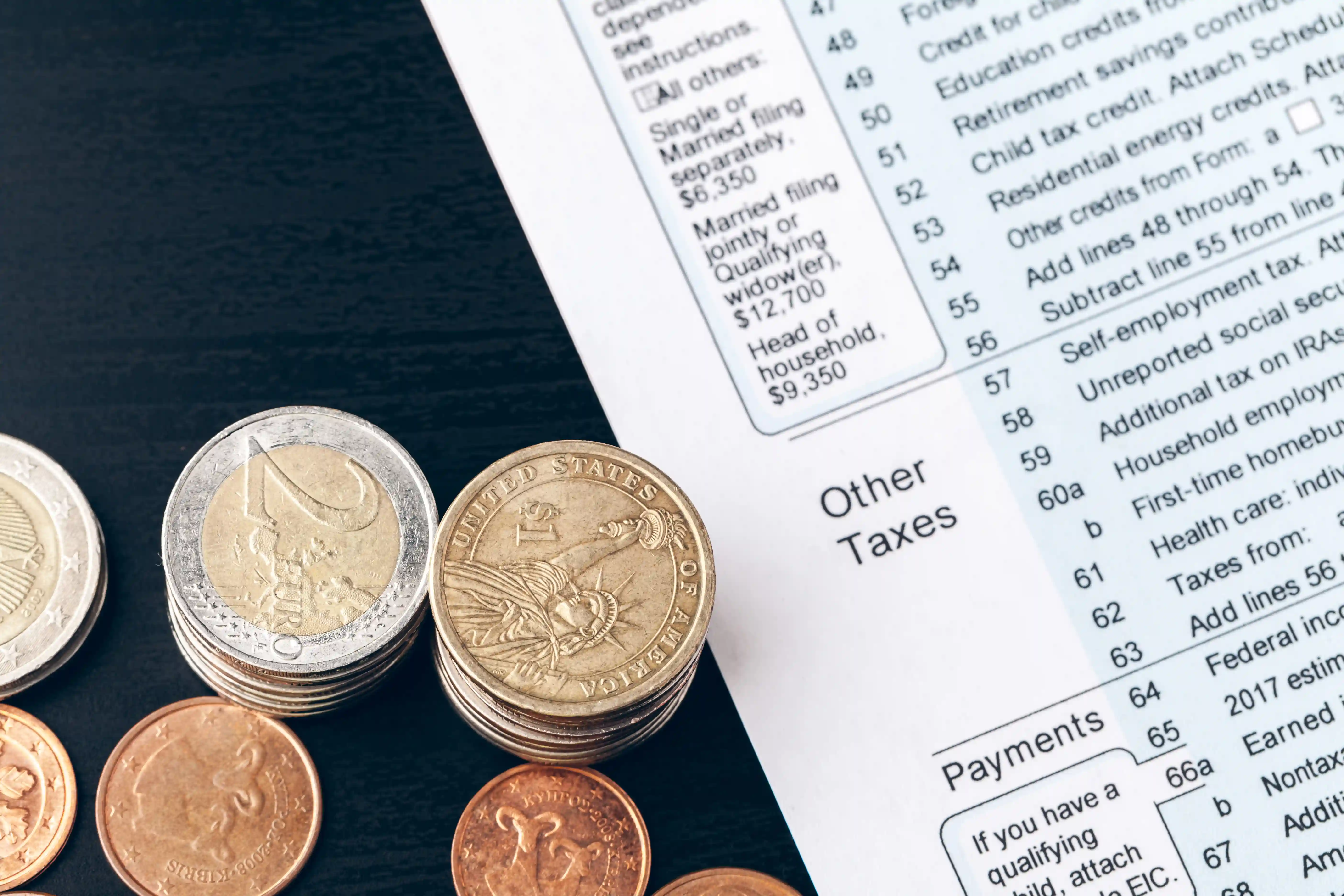
Conclusion: real estate as a capital investment in Berlin
Real estate as a capital investment in Berlin will continue to offer attractive opportunities for different types of investors in 2025. The combination of stable population growth, limited housing supply and international appeal makes the capital one of the most interesting German real estate markets.
Successful investors are characterized by careful market analysis, realistic return expectations and professional guidance. Whether a beginner with a first small apartment or an experienced investor focusing on multi-family houses, Berlin offers suitable properties for every strategy.
At E-Homes you will find a curated selection of investment properties in attractive Berlin locations. Our experts provide comprehensive advice on financing, return opportunities and long-term investment strategies. Contact us today and take the first step toward your successful real estate investment in Berlin.
Frequently asked questions
What return can I expect from real estate as an investment in Berlin?
Depending on location and property type, the gross rental yield ranges between 3% and 6% per year. Central locations usually offer lower yields with higher value stability, while outer districts can enable higher rental yields. A realistic calculation of all costs is essential.
How much equity do I need for an investment property in Berlin?
For investment properties, banks typically require 20% to 40% equity. In addition, the ancillary purchase costs of about 10% to 15% of the purchase price, including real estate transfer tax, notary and broker, should be financed from equity.
Which Berlin districts are best suited for real estate investments?
Established locations such as Prenzlauer Berg or Charlottenburg offer value stability at higher purchase prices. Up-and-coming neighbourhoods such as Wedding or Neukölln promise higher yields with slightly higher risk. The choice depends on the individual investment strategy.
Can I claim tax deductions for an investment property?
Yes. With let properties you can depreciate 2% of the acquisition costs annually and claim all deductible expenses such as interest, administration and maintenance for tax purposes. This significantly improves the net return.
Is buying a property in need of renovation worthwhile as an investment?
Refurbishment properties can achieve higher returns but require more capital and expertise. Modernization costs must be calculated realistically and potential rent increases after refurbishment should be taken into account. An expert report before purchase is advisable.

You may also find these articles interesting

Buy a commission-free apartment in Berlin: Tips and checklist
Buy an Apartment in Lankwitz – Quiet, Green & Well Connected