Berlin Infrastructure: Transport, Energy and Digital Future

- Berlin Infrastructure: Transport, Energy and Digital Progress
- S-Bahn and U-Bahn Network
- Bus Services and Complementary Lines
- Main Arteries and the Urban Motorway
- Parking Situation in Berlin Districts
- Critical Infrastructure in Berlin
- Security and Protection of Critical Systems
- Hospital and Healthcare Infrastructure
- Transport Projects in the Coming Years
- Digital Infrastructure and Smart City Initiatives
- Energy Transition and Sustainable Supply
- Grid Stability and Security of Supply
- Smart Grid and Intelligent Networks
- Sustainable Water Management
- Broadband Expansion in Berlin
- 5G Network Coverage
- Schools and Kindergartens
- Universities and Research
- Retail and Supermarkets
- Markets and Local Suppliers
- Parks and Green Spaces
- Cultural Institutions
- Conclusion: Berlin as an Infrastructure Leader
- How good is Berlin’s transport connectivity really?
- How stable is the power supply in Berlin?
- Is there sufficient internet speed for home office?
- How good is medical care in Berlin?
- Which districts have the best infrastructure?
Berlin Infrastructure: Transport, Energy and Digital Progress
Berlin has evolved in recent years into one of Europe’s most modern metropolitan infrastructures. The capital combines excellent transport connectivity, forward-looking energy supply and innovative digital solutions. For apartment seekers and real estate investors, well-developed infrastructure means higher quality of life, better accessibility and long-term stable property values.
Public Transport: The Heart of Berlin Mobility
Berlin’s public transport network is among the densest and most reliable in Europe. With over 1,000 kilometers of rail and more than 300 bus and tram lines, residents can reach every corner of the city with ease.
S-Bahn and U-Bahn Network
The S-Bahn forms the backbone of Berlin’s public transport, linking the city center with the outer districts. The Ringbahn (S41/S42) in particular makes it possible to reach all major neighborhoods without having to pass through the center. The 10 U-Bahn lines complement the system perfectly and ensure short trips to all key destinations.
For E-Homes residents this means the following in practical terms: Whether you live in Schöneberg, Neukölln or Spandau, the nearest station is usually only a few minutes’ walk away. Hermannplatz station, for example, connects Neukölln directly with Alexanderplatz via the U7 and U8, with no transfer required.
Bus Services and Complementary Lines
Berlin’s bus network with over 150 lines closes the last gaps in public transport. Express buses like the X10 connect outer districts such as Zehlendorf with the city center particularly quickly. Night buses ensure mobility across the entire city after midnight as well.
Road Traffic and Infrastructure
Main Arteries and the Urban Motorway
Berlin has a well-developed road network with the A100 as the central urban motorway. Federal highways B1, B2 and B5 span the city from east to west, while B96 and B101 are key north-south connections.
Parking Situation in Berlin Districts
The parking situation varies greatly by neighborhood. In central areas like Mitte or Prenzlauer Berg, parking is scarce and expensive, while outer districts such as Spandau or Lankwitz still offer ample options. Many E-Homes apartments come with dedicated parking spaces or underground garages, which is a real advantage in Berlin.
Critical Infrastructure in Berlin
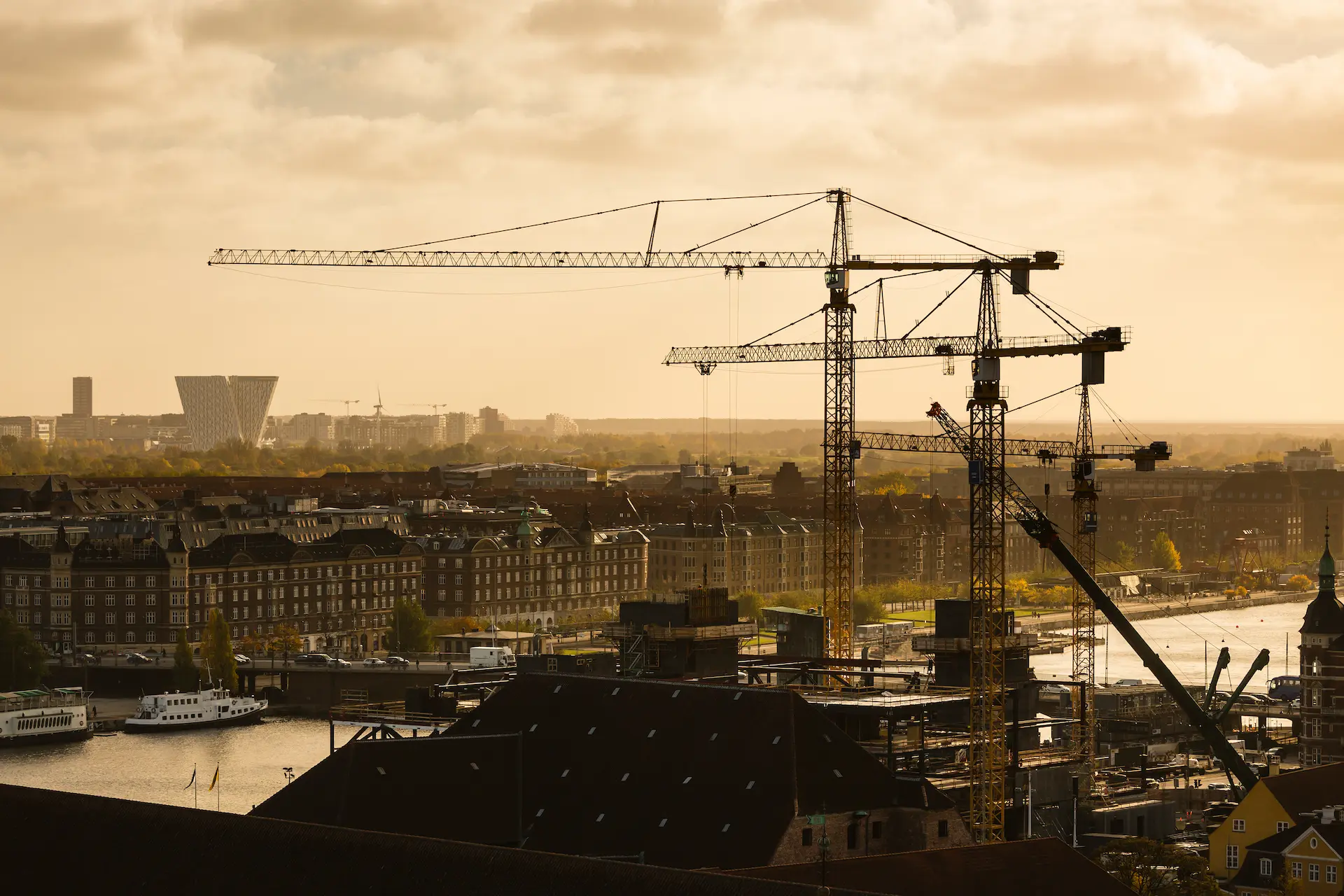
Critical infrastructure in Berlin includes all systems essential for the city’s functioning. These include energy supply, water supply, telecommunications and healthcare.
Security and Protection of Critical Systems
Berlin has significantly increased investments in protecting critical infrastructure in recent years. Following various cyberattacks and the experience of the pandemic, redundancies were established and contingency plans developed. The power supply and water network in particular are now much more resilient against outages.
Hospital and Healthcare Infrastructure
Berlin’s healthcare system comprises more than 80 hospitals and countless medical practices. Charité, one of Europe’s largest university hospitals, stands for world-class medical care. You will find accessible healthcare facilities in all districts, which is especially important for families and older residents.
Expansion of Berlin’s Infrastructure
Berlin continuously invests in the expansion and modernization of its infrastructure. The city has ambitious plans for the coming years.
Transport Projects in the Coming Years
Several major projects will significantly improve Berlin’s transport infrastructure over the next few years:
- Extension of the U5 to the central station
- Expansion of the tram network into the western parts of the city
- Modernization of the S-Bahn fleet with new trains
- Improvements to cycling infrastructure with protected bike lanes
Digital Infrastructure and Smart City Initiatives
Berlin is developing into a smart city with intelligent traffic management systems, digital parking management and connected traffic signals. For apartment seekers this means shorter travel times, fewer traffic jams and more efficient use of existing infrastructure.
Berlin Power Grid
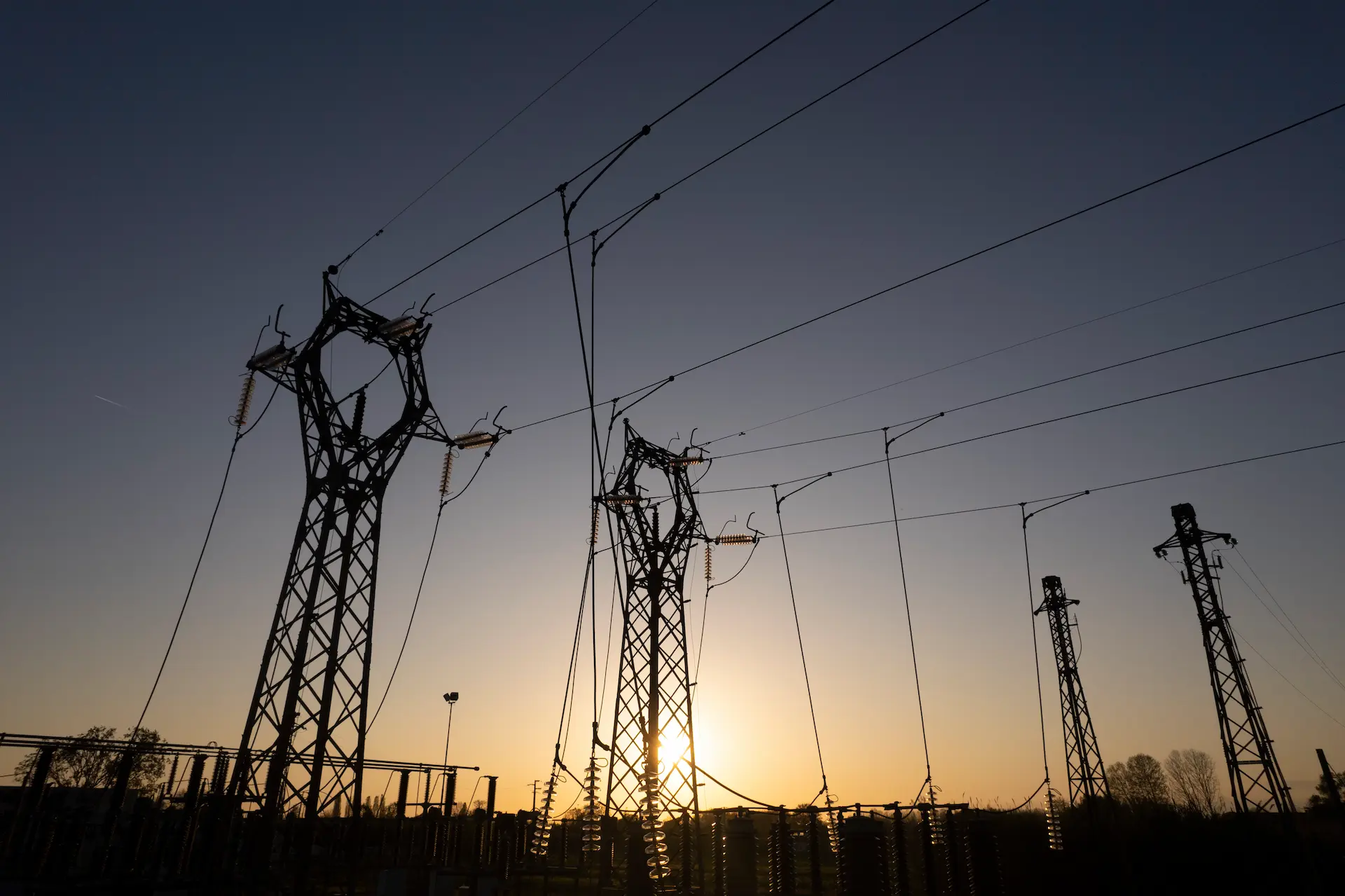
The Berlin power grid is operated by Stromnetz Berlin GmbH and reliably supplies the entire capital with electricity.
Energy Transition and Sustainable Supply
Berlin has set ambitious climate goals and is investing heavily in renewable energy. The city aims to be climate neutral by 2030. Photovoltaic systems are being installed on public buildings and district heating is being expanded.
Grid Stability and Security of Supply
Berlin’s power grid is among the most stable in Germany. Outages are rare and usually resolved within hours. For residents this means a high degree of planning certainty, which is especially important in times of remote work and digitalization.
Smart Grid and Intelligent Networks
Berlin is already piloting smart grids that optimally align consumption and generation. Smart meters in new buildings enable precise consumption monitoring and can save costs over the long term.
Water Supply and Wastewater
Berliner Wasserbetriebe supplies more than 3.7 million people with top-quality drinking water. Tap water can be consumed safely and complies with all EU standards.
Sustainable Water Management
Berlin focuses on sustainable water management with rainwater utilization and modern wastewater treatment plants. Innovative water-saving concepts are implemented especially in new development areas.
Telecommunications and Internet
Broadband Expansion in Berlin
Broadband expansion in Berlin is progressing continuously. Large parts of the city are already served by fiber, especially central locations and new developments. Most E-Homes apartments offer high-speed internet with at least 100 Mbit/s.
5G Network Coverage
Berlin is among the first German cities with comprehensive 5G coverage. This enables not only faster mobile internet but also innovative applications in smart home and the Internet of Things.
Educational Infrastructure
Schools and Kindergartens
Berlin has a dense network of primary schools, secondary schools and kindergartens. In family-friendly districts like Zehlendorf, Schöneberg or Spandau you will find high-quality educational facilities nearby.
Universities and Research
With four universities, several universities of applied sciences and numerous research institutions, Berlin is a major center of education. This attracts young people and stabilizes the real estate market.
Shopping and Supply Infrastructure
Retail and Supermarkets
Every Berlin district has good access to supermarkets, pharmacies and everyday retail. Large shopping centers such as the Potsdamer Platz Arkaden or Alexa complement the offering.
Markets and Local Suppliers
Weekly markets are part of Berlin’s culture and offer fresh, regional products. Almost every neighborhood has its own market, which strengthens the sense of community, especially in districts like Prenzlauer Berg or Kreuzberg.
Leisure and Cultural Infrastructure
Parks and Green Spaces
Berlin is surprisingly green. Over 40% of the city area consists of parks, forests and bodies of water. Tiergarten, Volkspark Friedrichshain and Hasenheide offer relaxation right in the city.
Cultural Institutions
With over 170 museums, more than 140 theaters and countless galleries, Berlin has one of the densest cultural infrastructures worldwide. This makes the city not only livable but also internationally attractive.
Impact on the Real Estate Market
Well-developed infrastructure directly influences the attractiveness and value development of properties:
- Transport connectivity: Apartments near S- or U-Bahn stations command higher prices
- Supply: Good shopping options and schools increase demand
- Future readiness: Fiber and modern energy supply are becoming increasingly important
- Quality of life: Parks, culture and gastronomy make neighborhoods especially desirable
Conclusion: Berlin as an Infrastructure Leader
Berlin impresses with one of the most modern and best-developed infrastructures in Europe. From excellent transport connections and sustainable energy supply to digital networking, the capital continuously invests in the future.
For apartment seekers this means the following: Whether you are looking for a furnished apartment in Neukölln, a period building in Schöneberg or a modern loft in Mitte, the infrastructure ensures high quality of life and excellent accessibility everywhere. At E-Homes you will find stylish apartments in Berlin’s best-connected locations.
The ongoing development of Berlin’s infrastructure makes the city one of Germany’s most attractive places to live and invest. Now is the ideal time to become part of this dynamic metropolis.
FAQ: Frequently Asked Questions About Berlin’s Infrastructure
How good is Berlin’s transport connectivity really?
Berlin has one of the densest public transport networks in Europe. With S-Bahn, U-Bahn, bus and tram, you can reach every district quickly and reliably. Most apartments are no more than 10 minutes from the nearest station.
How stable is the power supply in Berlin?
Berlin’s power grid is among the most stable in Germany. Power outages are extremely rare and usually resolved within a few hours. The city continuously invests in the modernization and expansion of the grid.
Is there sufficient internet speed for home office?
Yes, Berlin is largely covered by broadband. Most districts have access to at least 100 Mbit/s, often much more. Fiber is being rolled out continuously.
How good is medical care in Berlin?
Berlin has excellent medical infrastructure, with Charité as one of Europe’s leading university hospitals. You will find general practitioners, specialists and hospitals within easy reach in all districts.
Which districts have the best infrastructure?
Central locations such as Mitte, Prenzlauer Berg and Charlottenburg have the best connectivity. Outer districts like Spandau, Zehlendorf and Neukölln also offer excellent infrastructure, often with more affordable housing prices.

You may also find these articles interesting
Buy a commission-free apartment in Berlin: Tips and checklist
Buy an Apartment in Lankwitz – Quiet, Green & Well Connected