Berlin Infrastructure: Live and Invest with a Future

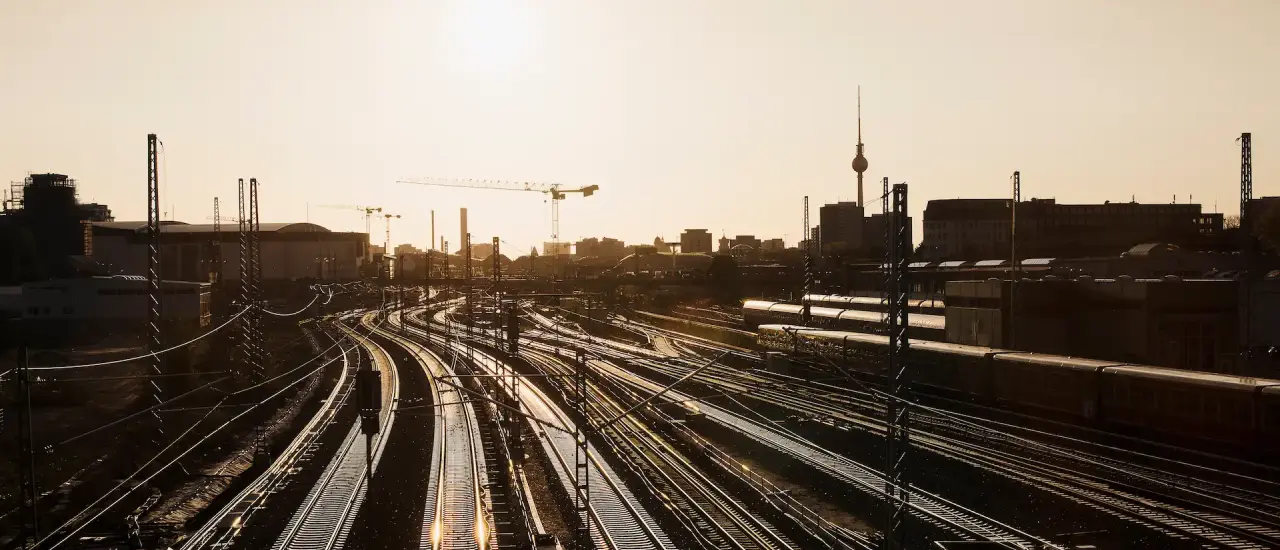
- S-Bahn and U-Bahn System
- BVG: Buses and Trams
- Water Supply and Wastewater
- Healthcare Infrastructure
- Transport Projects
- Bridge Renovation and New Construction
- Broadband Expansion
- 5G Network
- Grid Modernization
- Charging Infrastructure for E-Mobility
- Universities and Research
- Cultural Infrastructure
- Park and Green Space System
- Urban Gardening and Sustainability
- Airports and Logistics
- Business Districts and Office Locations
- Value Appreciation Through Infrastructure Investments
- Future-Proof Investments
- How good is the transport connection in Berlin?
- Which districts have the best infrastructure?
- How will Berlin’s infrastructure develop?
- Is the digital infrastructure in Berlin sufficient for home office?
- How does infrastructure affect property prices?
Berlin Infrastructure: The Location Factor for Living
As a modern metropolis, Berlin convinces with a continuously growing infrastructure that makes life and work in the capital attractive. The well-thought-out network of transport connections, digital equipment, and sustainable urban development creates ideal conditions for everyone who wants to live or invest in Berlin.
Public Transport: The Backbone of Mobility
Berlin’s transport infrastructure is among the best in Europe and makes every district of the capital conveniently accessible. The dense network of U-Bahn, S-Bahn, trams, and buses connects all boroughs and allows you to live comfortably without owning a car.
S-Bahn and U-Bahn System
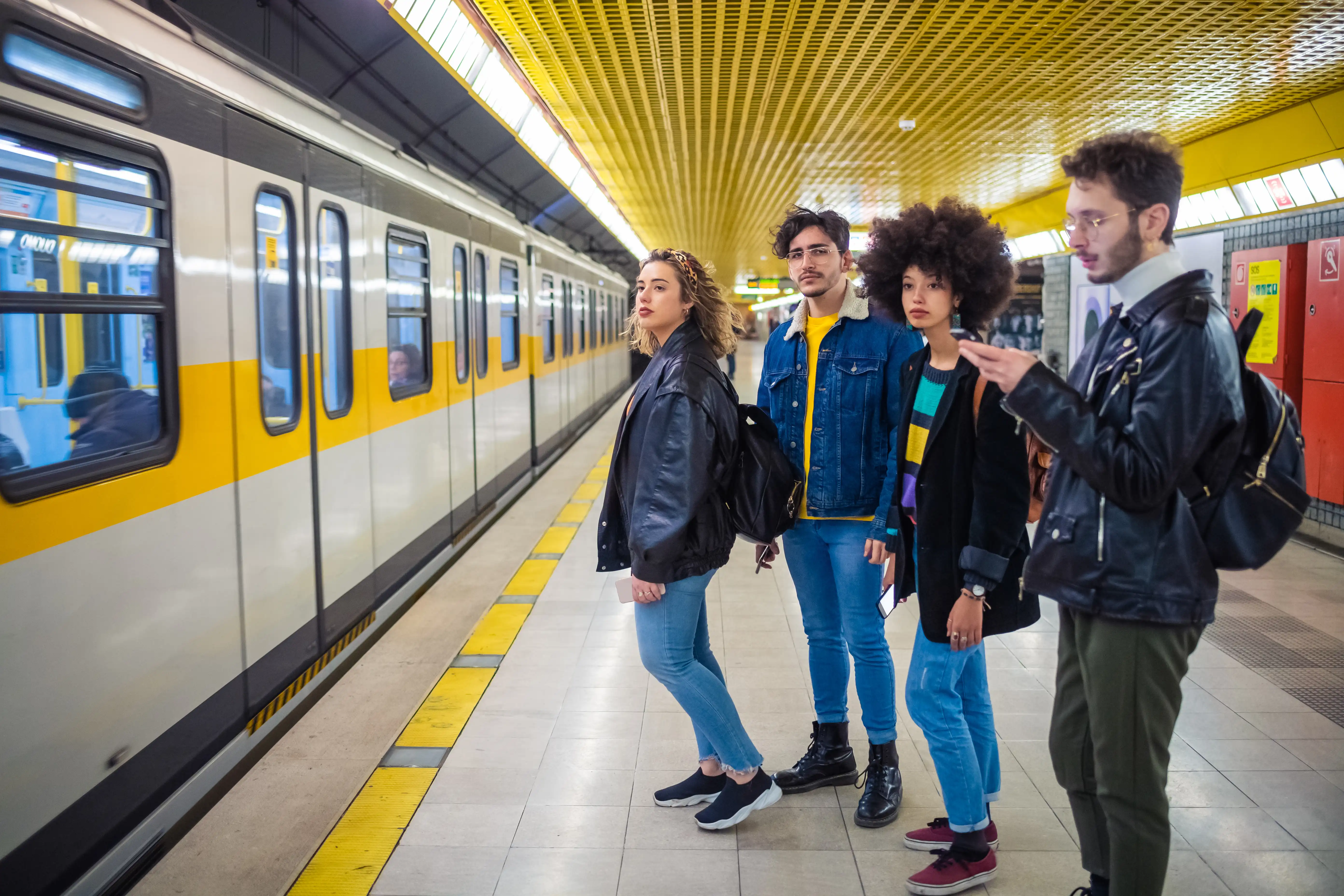
Berlin’s S-Bahn network comprises 15 lines over 331 kilometers and connects the city center with the outer districts and the surrounding region. The U-Bahn complements this system with 10 lines over 147 kilometers, serving especially the inner-city areas.
Central hubs such as Alexanderplatz or Friedrichshain-Kreuzberg offer fast connections in all directions. From Wedding, for example, you can reach Friedrichstrasse directly via the U6, while the S-Bahn takes you from Neukölln via Hermannplatz quickly to the city center.
BVG: Buses and Trams
The Berliner Verkehrsbetriebe (BVG) also operates 150 bus lines and 22 tram lines that serve more remote residential areas. Especially in districts like Spandau or Zehlendorf, where the U-Bahn is less dense, buses ensure reliable connections.
MetroBus lines operate around the clock and create important cross-city connections. The M45 connects Spandau directly with the center, while the M41 provides a fast north-south link.
Critical Infrastructure in Berlin: Security and Supply
Berlin’s critical infrastructure encompasses all system-relevant facilities that are essential for the city to function. These include water supply, power grids, telecommunications, and healthcare facilities.
Water Supply and Wastewater
The Berliner Wasserbetriebe ensure a reliable drinking water supply for more than 3.7 million people. The water network includes 7,900 kilometers of pipelines and nine waterworks. Water quality is among the best in Germany, which significantly enhances quality of life in the capital.
Healthcare Infrastructure
Berlin has a dense healthcare infrastructure with more than 80 hospitals and over 4,000 private practitioners. University hospitals such as Charité are among Europe’s leading medical institutions and attract international specialists.
Expansion of Berlin’s Infrastructure: Investments in the Future
The continuous expansion of Berlin’s infrastructure is evident in numerous major projects that further increase the city’s attractiveness as a place to live and work.
Transport Projects
By 2030, Berlin will invest more than 28 billion euros in expanding transport infrastructure. New S-Bahn lines such as the S21 will extend the network, while the expansion of the U5 U-Bahn line will open up new neighborhoods.
The construction of new tram lines in the western districts significantly improves connections for Charlottenburg and Wilmersdorf. These projects not only enhance mobility, they also increase the attractiveness of adjacent residential areas for real estate investments.
Bridge Renovation and New Construction
Berlin is systematically renewing its more than 1,100 bridges. Projects such as the new Warschauer Bridge or the renovation of the Mühlendamm Bridge improve traffic flow and create new urban design accents.

Digital Infrastructure: Smart City Berlin
Berlin’s digital transformation is progressing steadily and makes the city an attractive location for companies and residents alike.
Broadband Expansion
The comprehensive rollout of fiber optics is reaching more and more residential areas. By 2025, 80 percent of all households are expected to have access to gigabit internet. This is especially relevant for apartments suitable for home office, which are in high demand among tenants and buyers.
5G Network
The 5G mobile network is being continuously expanded and enables new digital services. For modern apartments with smart home features, this is an important location factor that increases appeal for tech-savvy tenants.
Berlin Power Grid: Sustainable Energy Supply
Berlin’s power grid is being systematically upgraded for the energy transition and makes an important contribution to the city’s climate neutrality.
Grid Modernization
Vattenfall and Stromnetz Berlin GmbH invest more than 200 million euros annually in modernizing the power grids. Smart grids enable the integration of renewable energies and decentralized generation systems.
Charging Infrastructure for E-Mobility
Berlin is continuously expanding charging infrastructure for electric vehicles. More than 2,000 public charging points are already installed, with a target of 20,000 charging points by 2030. For real estate investors, the availability of charging options is increasingly becoming an important feature.
Education and Cultural Infrastructure
Berlin’s educational landscape and cultural infrastructure make the city particularly attractive for families and young adults.
Universities and Research
With more than 40 universities and over 180,000 students, Berlin is one of the largest centers of higher education in Germany. Proximity to universities such as Humboldt University or TU Berlin significantly increases demand for housing in adjacent neighborhoods.
Cultural Infrastructure
More than 180 museums, three opera houses, and over 150 theaters make Berlin one of the most culturally rich cities in the world. This cultural diversity attracts international professionals and enhances quality of life.
Green Infrastructure: Parks and Recreational Spaces
Berlin offers an exceptionally green infrastructure that contributes to high quality of life and makes properties near parks particularly valuable.
Park and Green Space System
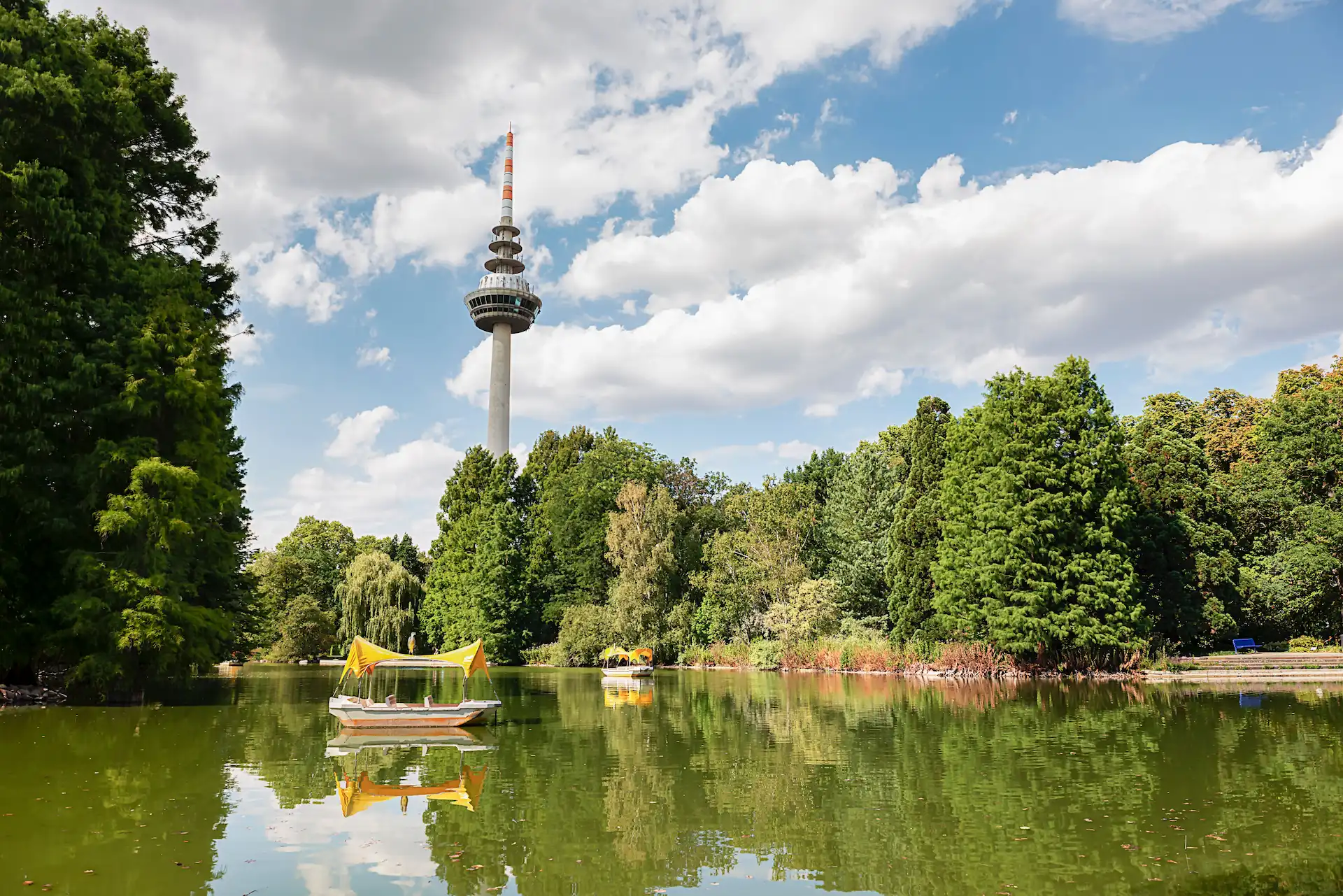
With more than 2,500 public parks and recreational areas covering 5,500 hectares, Berlin offers residents a wide range of local recreation options. Tiergarten, Volkspark Friedrichshain, and Tempelhofer Park provide important retreats in the heart of the city.
Urban Gardening and Sustainability
Community gardens and urban gardening projects are emerging in all districts and foster neighborhood communities. These sustainable initiatives increase the attractiveness of residential areas and create green oases in the urban environment.
Economic Infrastructure: A Location Factor for Business
Modern economic infrastructure makes Berlin one of Europe’s most important economic centers and creates jobs for highly qualified professionals.
Airports and Logistics
Berlin Brandenburg Airport (BER) is the gateway to the world and offers direct connections to more than 190 destinations. For international professionals, good access to global markets is an important location factor when choosing where to live.
Business Districts and Office Locations
Modern office quarters such as Quartier 206 or the office cluster at Potsdamer Platz offer optimal working conditions. Proximity to these economic hubs makes apartments in districts like Mitte or Friedrichshain particularly sought after.
Impact on the Real Estate Market
The continuous improvement of Berlin’s infrastructure directly increases the attractiveness of residential property and influences rents and purchase prices.
Value Appreciation Through Infrastructure Investments
Areas with good infrastructure connections record above-average value increases. The expansion of the U5 U-Bahn line, for example, has significantly boosted demand for apartments in Wedding and Lichtenberg.
Future-Proof Investments
Apartments in well-connected locations with modern infrastructure offer stable long-term returns. Berlin’s ongoing infrastructure investments make real estate a secure capital investment.
Conclusion: Berlin Infrastructure as a Key to Quality of Life
Modern and continuously growing infrastructure makes Berlin one of the most livable metropolises in Europe. Whether public transport, digital connectivity, or green recreational spaces, thoughtful urban planning creates optimal conditions for all areas of life.
For your decision to live or invest in Berlin, the excellent infrastructure is a decisive advantage. It guarantees high quality of life in everyday life and long-term value stability for your property.
At E-Homes you will find apartments in Berlin’s best-connected neighborhoods. Our experts are happy to advise you on the most advantageous locations in terms of infrastructure and help you find the perfect apartment for your needs.
Frequently Asked Questions about Berlin Infrastructure
How good is the transport connection in Berlin?
Berlin has one of the best public transport networks in Europe with 15 S-Bahn lines, 10 U-Bahn lines, 22 tram lines, and 150 bus lines. Almost every district is optimally connected to the center, which allows you to live comfortably without a car.
Which districts have the best infrastructure?
Mitte, Prenzlauer Berg, Friedrichshain, and Charlottenburg offer the best overall infrastructure with excellent transport connections, cultural institutions, and shopping options. Up-and-coming districts such as Wedding or Neukölln also benefit from continuous infrastructure investments.
How will Berlin’s infrastructure develop?
By 2030, Berlin will invest more than 28 billion euros in infrastructure expansion. New U-Bahn and S-Bahn lines, fiber rollout, and modernization of power grids will further increase the city’s attractiveness and open up new residential areas.
Is the digital infrastructure in Berlin sufficient for home office?
Berlin is continuously expanding its digital infrastructure. Eighty percent of all households are expected to receive gigabit internet by 2025. The 5G network is being rolled out citywide, which provides optimal support for modern home office workplaces.
How does infrastructure affect property prices?
Good infrastructure connections increase demand for housing and thus rents and purchase prices. Areas with new transport links or digital expansion show above-average value increases and offer attractive investment opportunities.

You may also find these articles interesting
Buy a commission-free apartment in Berlin: Tips and checklist
Buy an Apartment in Lankwitz – Quiet, Green & Well Connected