Berlin Co-Living: Flexible Apartments, Community and Comfort

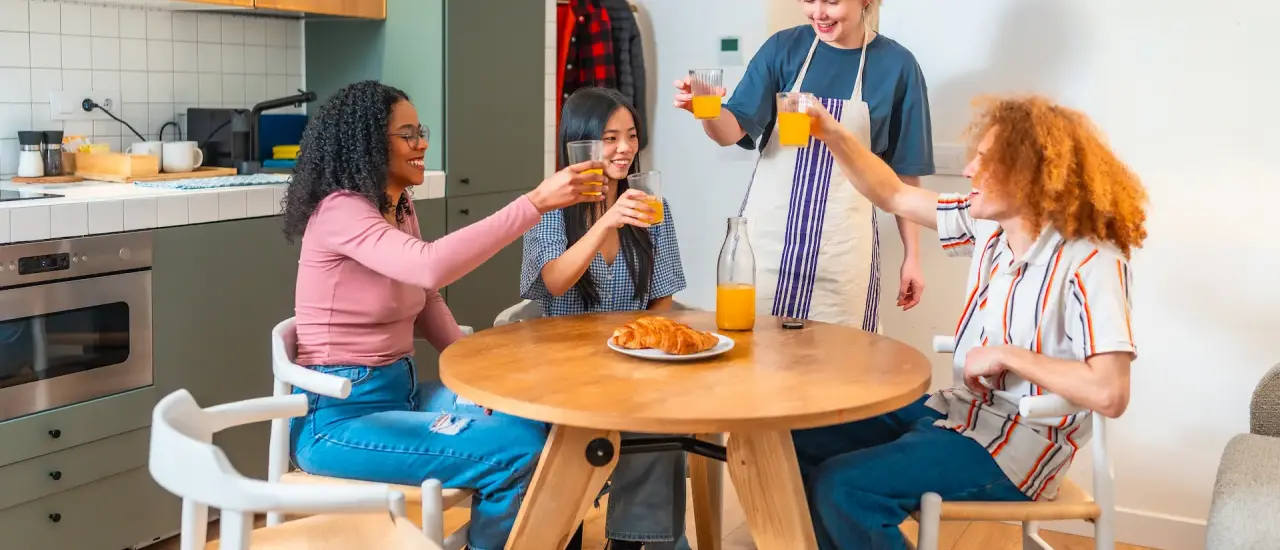
Berlin Co-Living: A modern housing concept for urban life
Berlin Co-Living is revolutionizing how people live in the capital. This innovative model combines private living spaces with shared areas, creating an ideal balance between privacy and a sense of community for professionals, students and digital nomads.
What is co-living and why is it booming in Berlin?
Co-living is far more than a modern form of flat-sharing. It is a well-thought-out housing concept where you rent a private room or studio while also having access to high-quality communal areas such as kitchens, living rooms, workspaces and often fitness or wellness facilities.
In Berlin, co-living has become a real trend that caters to the needs of the modern urban population. High rents, the desire for flexibility and the longing for social contact in an often anonymous big city make co-living an attractive alternative to traditional housing.
The advantages are clear. You benefit from all-inclusive rents that cover utilities, internet and often even cleaning services. At the same time, you gain access to a community of like-minded people, which is especially valuable for newcomers to Berlin and international residents.
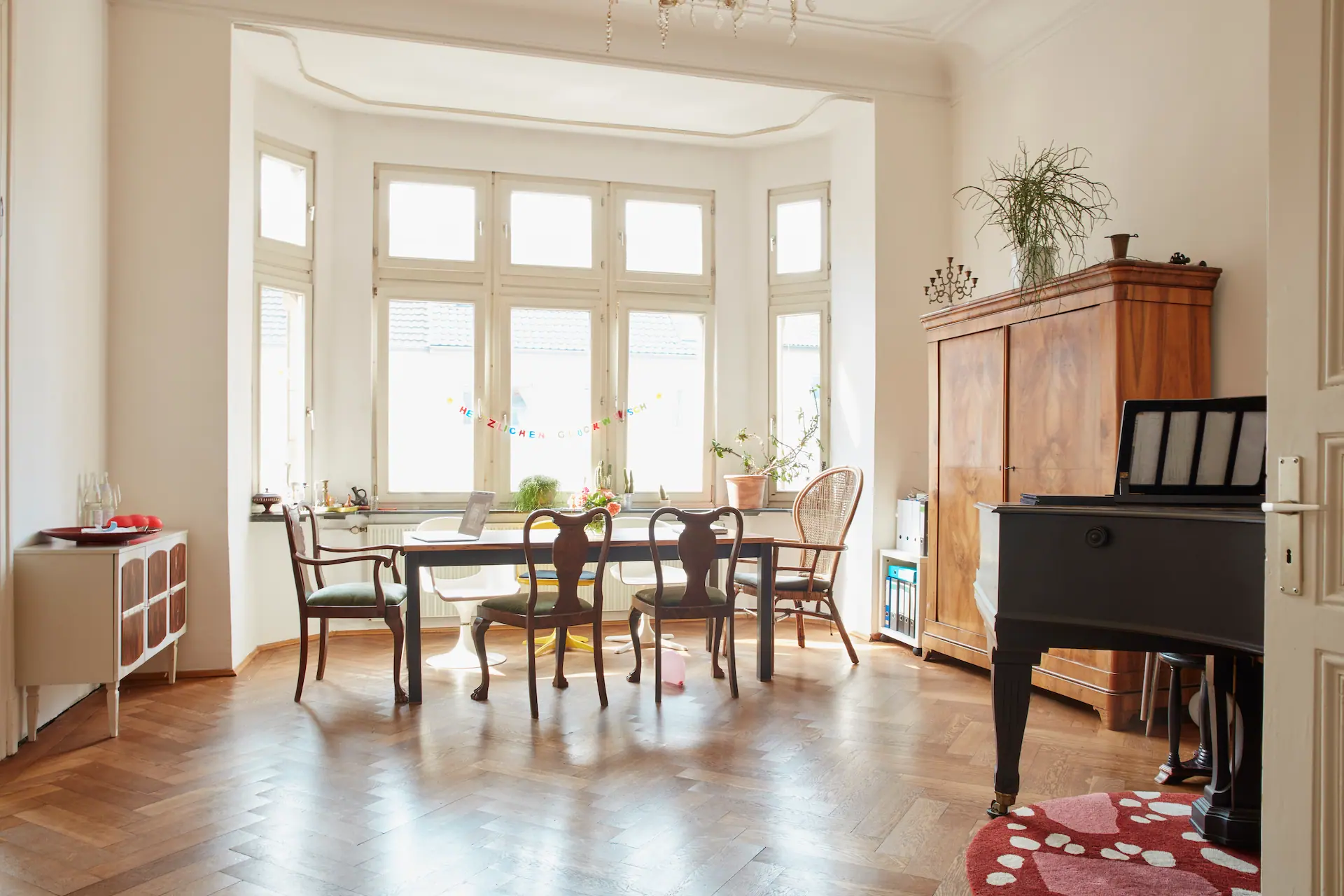
Co-living vs. traditional shared apartments: The key differences
While traditional shared apartments often come together by chance and focus on splitting the rent, co-living is a professionally managed housing concept. The differences are clear:
Professionalism and service: Co-living providers handle all administration, from maintenance to conflict resolution. You have a direct point of contact and do not have to deal with complicated rental contracts or the search for a new tenant.
Furnishings and design: Co-living spaces are usually well furnished and design-oriented. The communal areas are designed to encourage lingering and interaction.
Community building: Many co-living providers organize regular events, workshops or joint activities. This creates a true community rather than a relationship of convenience.
Flexibility: Rental agreements are often more flexible than with conventional apartments. You can usually cancel monthly or switch between different locations.
Berlin co-living apartments: Variety for every taste
Berlin offers an impressive variety of co-living options, ranging from compact studios to spacious apartments. The apartments are specifically designed to combine privacy with communal amenities.
Typical co-living apartments in Berlin include a private bedroom with an en-suite bathroom, while the kitchen, living area and often workspaces are shared. Many properties offer additional amenities such as rooftop terraces, sports areas or co-working spaces.
Prices vary by location, features and service level. While a room in a centrally located co-living space can cost between 800 and 1,200 euros, higher-end apartments with a private bathroom and more privacy are also available, which can cost 1,500 euros or more.
The all-inclusive structure is especially attractive. Rent usually includes electricity, heating, internet, cleaning services and often even Netflix subscriptions. This makes budgeting simple and transparent.
Co-living Berlin Kreuzberg: Creativity meets community
Kreuzberg is considered the creative heart of Berlin and is therefore a particularly popular location for co-living projects. The district attracts artists, creatives, startup founders and digital nomads who appreciate a vibrant, multicultural atmosphere.
Co-living in Kreuzberg is characterized by its special atmosphere. Spaces are often housed in former industrial buildings or distinctive period properties, giving the living environment a unique charm. Proximity to trendy neighborhoods, art galleries, alternative bars and restaurants makes Kreuzberg an ideal location for anyone who wants to experience the real Berlin.
Many co-living providers in Kreuzberg focus on sustainability and community projects. There are often community gardens, workshops for creative projects or collaborations with local initiatives. This makes living not only comfortable but also meaningful.
Connections are excellent. Several U-Bahn lines run through the district, and you can quickly and easily reach both Mitte and other central areas of Berlin. At the same time, Kreuzberg offers numerous parks and green spaces that provide important recreation in the midst of urban density.
Co-living Berlin Mitte: At the pulse of the capital
Berlin Mitte is the political and cultural center of the city and a hotspot for high-quality co-living projects. Here you will find the most modern and often most luxurious co-living spaces in the city, aimed at discerning professionals and international specialists.
Co-living in Mitte offers you the unique opportunity to live in the heart of Berlin, just a few minutes’ walk from sights such as the Brandenburg Gate, Museum Island or the government district. Proximity to international companies, startups and major business hubs makes Mitte particularly attractive for career-oriented people.
The co-living spaces in Mitte are often located in modern new builds or stylishly renovated historic buildings. They offer top standards in design, technology and service. Many feature 24-hour concierge service, professional co-working areas, gyms and even spa areas.
The district offers an international atmosphere with top restaurants, boutiques and cultural venues right on your doorstep. Public transport connections are excellent, with several S-Bahn and U-Bahn stations as well as bus stops in the immediate vicinity.
However, prices in Mitte are correspondingly higher than in other districts. A place in a high-end co-living space can cost between 1,200 and 2,000 euros or more, depending on features and service level.
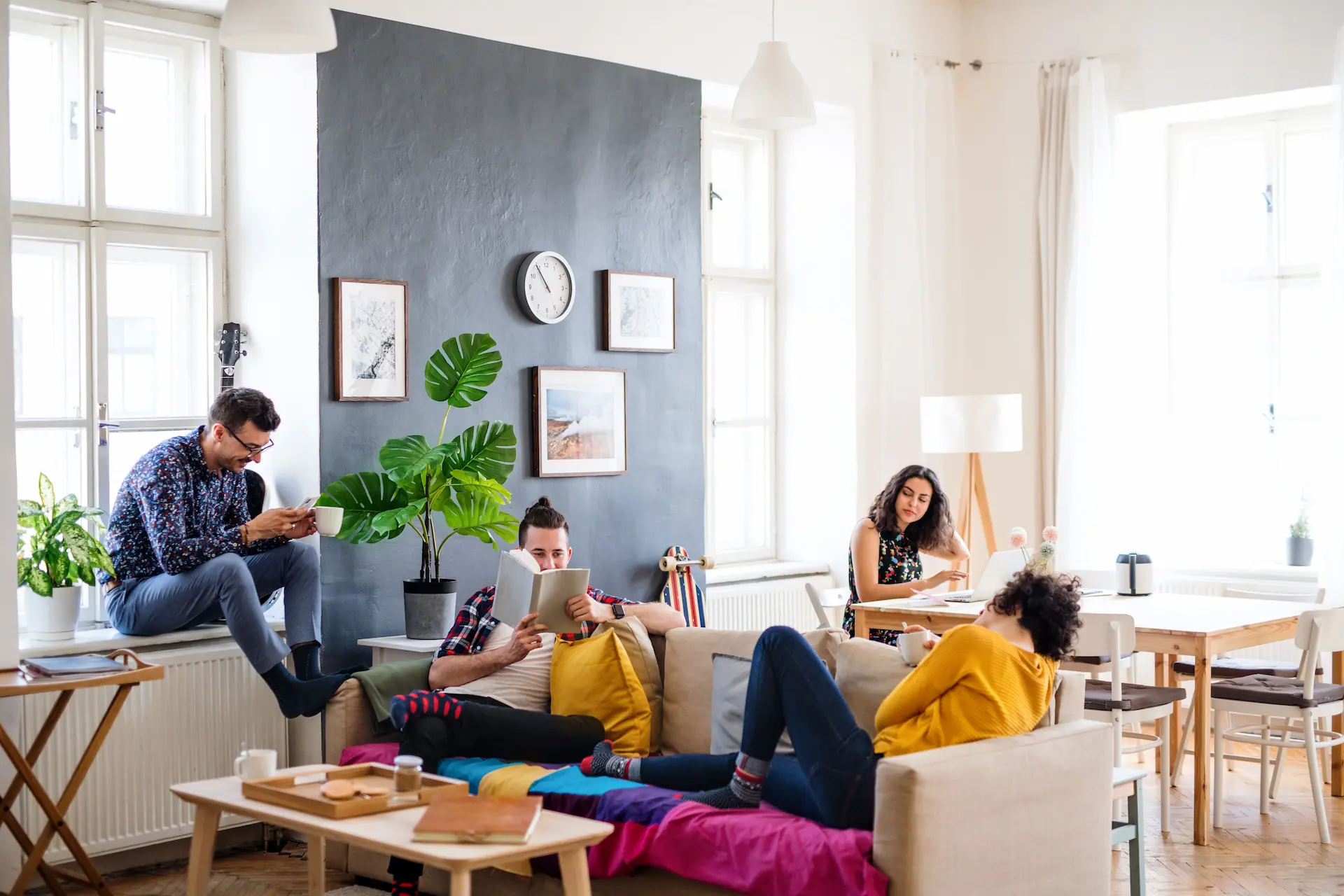
Target groups: Who lives in co-living?
Co-living in Berlin attracts different target groups that all share one thing. They want flexible, social and uncomplicated living.
Digital nomads and freelancers appreciate the flexibility of co-living contracts and the integrated workspaces. They can change their home according to project and life phase without long-term commitments.
International professionals find an ideal solution for starting their careers in Berlin. They avoid the often complicated apartment hunt and immediately find a community.
Students and young professionals benefit from often lower costs per person compared to having their own apartment in a central location. Co-living also offers the opportunity to build valuable networks.
Professionals in transition use co-living as a flexible solution during job changes, separations or other life changes. Short notice periods provide the necessary security and planning freedom.
Creatives and entrepreneurs often find inspiration and potential collaborators in co-living communities. Interdisciplinary communities encourage exchange and can lead to exciting projects.
Sustainability and community in focus
Modern co-living concepts in Berlin place great emphasis on sustainability and social responsibility. Many providers rely on energy-efficient buildings, sustainable materials and environmentally friendly technologies.
The shared use of resources is inherently more sustainable. Whether washing machines, kitchen appliances or entertainment electronics, everything is used more efficiently, which reduces the ecological footprint.
Many co-living spaces have their own initiatives for waste separation, composting or urban gardening. Some collaborate with local suppliers for organic food or have their own bike-sharing programs.
The social aspects are just as important. Co-living creates real communities in an often anonymous big city. Regular events, shared meals and leisure activities strengthen social cohesion and can lead to long-term friendships.
Costs and services: What can you expect?
The cost structure of co-living is transparent and predictable. Unlike traditional rental agreements with many hidden costs, co-living providers usually offer all-inclusive packages.
Basic furnishings: Every co-living space is fully furnished. You only need your suitcase and can move in right away. From bed linen to kitchen utensils to Wi-Fi, everything is provided.
Utilities: Electricity, heating, water and internet are almost always included in the rent. This makes monthly budgeting simple and transparent.
Service: Many providers include regular cleaning of common areas, maintenance and repairs, as well as a concierge service for everyday questions.
Community services: Events, workshops, networking activities and often streaming services are frequently included in the price.
Monthly costs vary widely depending on location, features and service level. Simple rooms in shared apartments start at around 600 to 800 euros, while high-quality studios in central locations can cost 1,200 to 1,800 euros or more.
The future of living in Berlin
Co-living is more than a passing trend. It is a response to the changing needs of modern society. In Berlin, the range is steadily growing, and the quality of projects continues to rise.
New technologies will further improve co-living. From smart home integration to apps for community management to AI-powered matching systems for compatible roommates.
Integration into urban development will increase. Many new construction projects already take co-living into account at the planning stage and deliberately create spaces for communal living.
For you as a potential resident, this means more choice, better quality and innovative solutions for urban life in one of Europe’s most exciting cities.
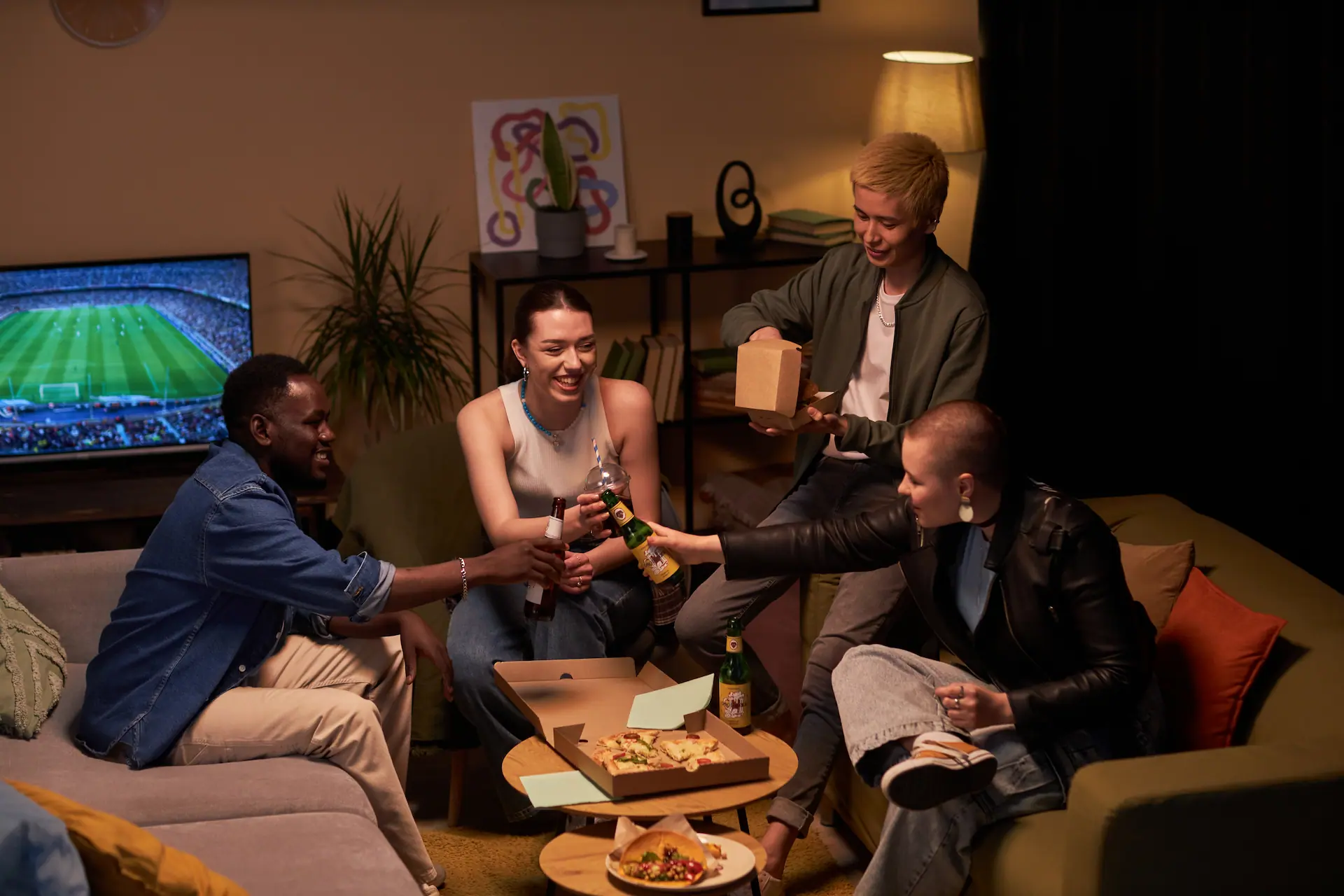
Conclusion: Co-living as a smart housing solution for Berlin
Berlin co-living offers an intelligent alternative to traditional housing in the capital. It combines the advantages of urban living with the comfort of modern amenities and the added value of an active community.
Whether you are a digital nomad looking for flexibility, an international professional who wants to connect quickly or simply want an uncomplicated housing solution with social contact, co-living can be the perfect fit.
At E-Homes we understand the needs of modern city dwellers and offer high-quality furnished apartments that combine many benefits of the co-living concept with the privacy of your own four walls. Request an apartment now and find your perfect living space in Berlin.
Frequently asked questions about Berlin co-living
How long can I stay in a co-living space?
Most co-living providers in Berlin offer flexible rental contracts from one month to several years. Many have a minimum rental period of 3 to 6 months, but there are also options for shorter stays.
Is co-living more expensive than a normal shared apartment?
Co-living may initially seem more expensive, but when you consider all included services such as furniture, utilities, internet, cleaning and community events, it is often cost-neutral or even cheaper than a fully self-equipped apartment.
How does living together in a co-living space work?
Most co-living spaces have clear house rules and often a community manager who mediates in conflicts. Many providers also conduct pre-selection procedures to bring together compatible residents.
Can I register my address in a co-living space?
Yes, in most co-living spaces in Berlin, official registration is possible. This is especially important for international residents who need an official address for administrative matters.
Which districts are best for co-living in Berlin?
In addition to Kreuzberg and Mitte, Friedrichshain, Neukölln and Wedding are also popular locations for co-living projects. Each district has its own character and attracts different communities.

You may also find these articles interesting
Buy a commission-free apartment in Berlin: Tips and checklist
Buy an Apartment in Lankwitz – Quiet, Green & Well Connected