Barrier-free apartment in Berlin: Guide to renting and buying

- Barrier-free apartment in Berlin: Comprehensive guide to renting and buying
- What does barrier-free living mean?
- Legal foundations for barrier-free construction in Berlin
- Berlin districts with particularly suitable housing supply
- Barrier-free apartments: search and selection
- Financing and funding
- Renting a barrier-free apartment in Berlin: practical tips
- Buying a barrier-free condominium
- Conversion and modernization of existing apartments
- Assistive technology and smart home solutions
- E-Homes: your partner for barrier-free housing solutions
- Conclusion: your path to a barrier-free apartment in Berlin
- Frequently asked questions about barrier-free living in Berlin
Barrier-free apartment in Berlin: Comprehensive guide to renting and buying
Finding a barrier-free apartment in Berlin is becoming an important life decision for more and more people. Whether due to impairments, advancing age, or the desire for a future-proof housing solution, barrier-free apartments offer comfort, safety, and independence. In this comprehensive guide, you will learn everything important about searching, financing, and the legal foundations of barrier-free living in the capital.
What does barrier-free living mean?
Barrier-free living describes a home design that can be used by everyone regardless of their physical abilities. According to DIN 18040-2, the authoritative German standard for barrier-free construction, all rooms and areas of an apartment must be accessible and usable without assistance.
The most important features of a barrier-free apartment include:
Access and circulation routes:
- Step-free entrances or ramps with a maximum slope of 6 percent
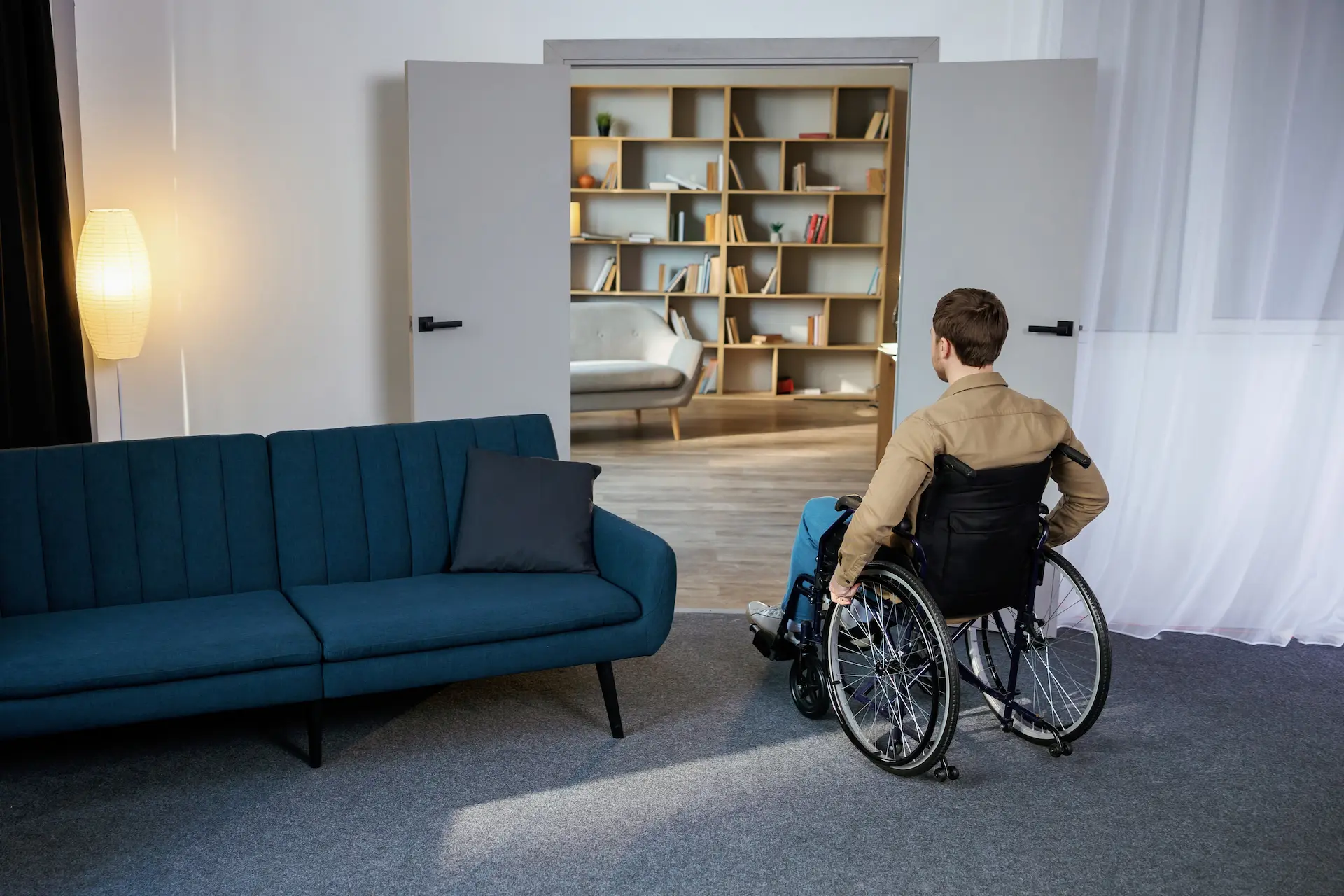
- Door widths of at least 90 cm, ideally 100 cm for wheelchair users
- Sufficient turning spaces of 150 x 150 cm in front of all key areas
- Threshold-free transitions between rooms
Sanitary areas:
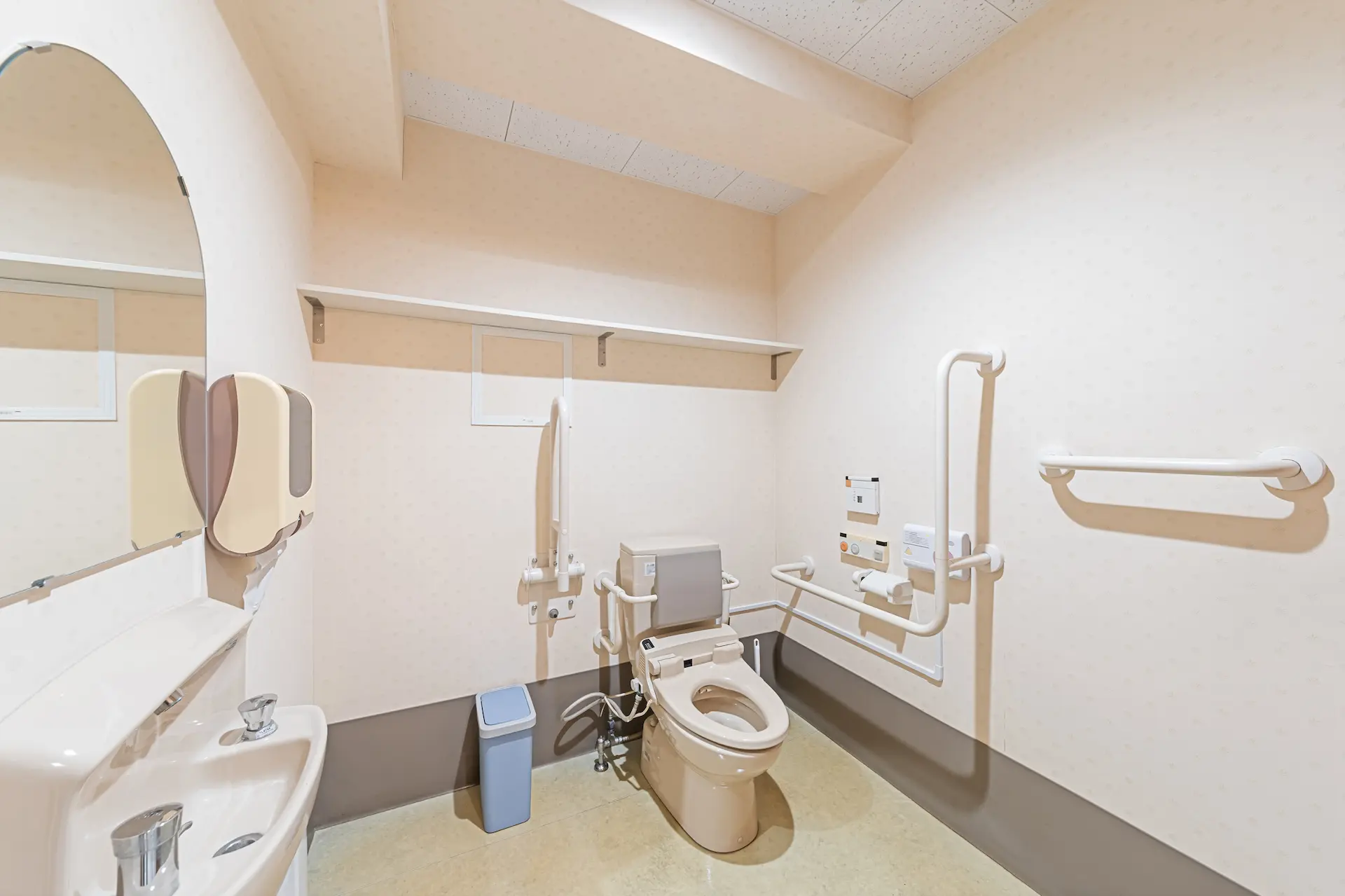
- Floor-level, threshold-free shower areas
- Grab rails and fold-up support rails at strategic points
- Wheelchair-accessible washbasins with at least 67 cm knee clearance
- Toilets with lateral access and fold-up support rails
Kitchen and living areas:
- Height-adjustable or wheelchair-accessible worktops
- Controls at an ergonomic height of 85 to 105 cm
- Sufficient maneuvering spaces for wheelchairs or walking aids
- Control elements with tactile identification
Legal foundations for barrier-free construction in Berlin
The Berlin Building Code has evolved significantly in favor of barrier-free construction in recent years. Since 2005, all new residential buildings with more than two apartments must provide barrier-free accessible units.
Current requirements under the Berlin Building Code:
- In buildings with more than three stories: elevator required
- At least 30 percent of apartments must be barrier-free accessible
- In residential buildings with more than five stories: additional wheelchair-accessible apartments
- Parking spaces for people with disabilities in parking garages and larger facilities
Funding and financing:
Berlin offers various funding programs for barrier-free renovation of private apartments. The KfW bank provides low-interest loans and grants for age-appropriate conversions. The program Age-appropriate Conversion, for example, supports measures such as installing floor-level showers or widening doors with grants of up to 6,250 euros.
Berlin districts with particularly suitable housing supply
Mitte and Charlottenburg-Wilmersdorf:
These central districts offer an above-average availability of barrier-free apartments due to their strong infrastructure and the high proportion of new buildings. Proximity to doctors, pharmacies, and public transport makes them particularly attractive.
Steglitz-Zehlendorf:
This southwestern district stands out with many senior-friendly residential complexes and an excellent medical infrastructure. Many housing associations have developed deliberately barrier-reduced complexes here.
Tempelhof-Schöneberg:
Extensive renovation programs are continuously creating barrier-free apartments in the mid-price segment. The strong connection to the public transport network is another advantage.
Neukölln and Wedding:
These up-and-coming districts increasingly offer modern, barrier-free new-build apartments at comparatively affordable prices. At the same time, the infrastructure is steadily improving.
Barrier-free apartments: search and selection
Searching for a suitable barrier-free apartment requires a systematic approach:
Online platforms and specialized portals:
In addition to well-known real estate portals, there are specialized platforms for barrier-free apartments. When searching online, use specific filters such as barrier-free or wheelchair-accessible.
Housing associations:
Many municipal and private housing companies have developed their own programs for barrier-free living. Direct contact often yields better results than searching online.
Viewing and assessment:
During viewings, do not focus only on obvious barriers. Pay attention to details such as:
- Light switch heights and ease of operation
- Handle heights on windows and doors
- Floor coverings and slip resistance
- Accessibility of the balcony or terrace
Financing and funding
Rental costs:
Barrier-free apartments in Berlin cost on average 10 to 20 percent more than comparable standard apartments. A 2-room apartment of about 60 square meters with barrier-free features costs between 1,200 and 1,800 euros per month including utilities, depending on the district and level of fittings.
Purchase prices:
When buying a barrier-free condominium, you should expect a premium of 15 to 25 percent compared to standard apartments. A 70 square meter barrier-free apartment costs between 350,000 and 500,000 euros in Berlin’s mid-range locations.
Funding options:
- KfW program Age-appropriate Conversion: Grants up to 6,250 euros
- Long-term care funds: Grants up to 4,000 euros for care-related home adaptations
- Berlin modernization program: Low-interest loans for conversions
- Integration Office: Funding for employed people with disabilities
Renting a barrier-free apartment in Berlin: practical tips
Check the lease:
Have the barrier-free features explicitly confirmed in the lease. Only then do you have a right to defect remediation if barriers arise later.
Consider additional costs:
Barrier-free apartments often have higher monthly charges due to elevators, automated door systems, or special cleaning requirements. Budget an additional 50 to 100 euros per month.
Use protection against termination:
As a tenant of a barrier-free apartment, you may have enhanced protection against termination, especially if you depend on the barrier-free features.
Buying a barrier-free condominium
Value stability and future-proofing:
Barrier-free condominiums are considered particularly stable in value due to growing demand. Demographic trends make them a safe investment.
Financing specifics:
Many banks offer special conditions for buying barrier-free properties. KfW, for example, provides low-interest loans for age-appropriate homes.
Pay attention to common property:
In condominiums, check whether common areas such as entrances, elevators, and outdoor spaces are also designed to be barrier-free.
Conversion and modernization of existing apartments
If you cannot find a fully equipped barrier-free apartment, you can convert an existing one accordingly:
Planning phase:
An architect specializing in barrier-free construction can help you plan measures optimally and apply for funding.
Typical conversion measures:
- Installation of a floor-level shower: 3,000 to 8,000 euros
- Widening door openings: 500 to 1,500 euros per door
- Installing grab rails and support systems: 200 to 800 euros
- Ramps for entrance areas: 1,000 to 5,000 euros
Permits:
Not all conversion measures are permit-free. Check with the responsible building authority regarding required permits.
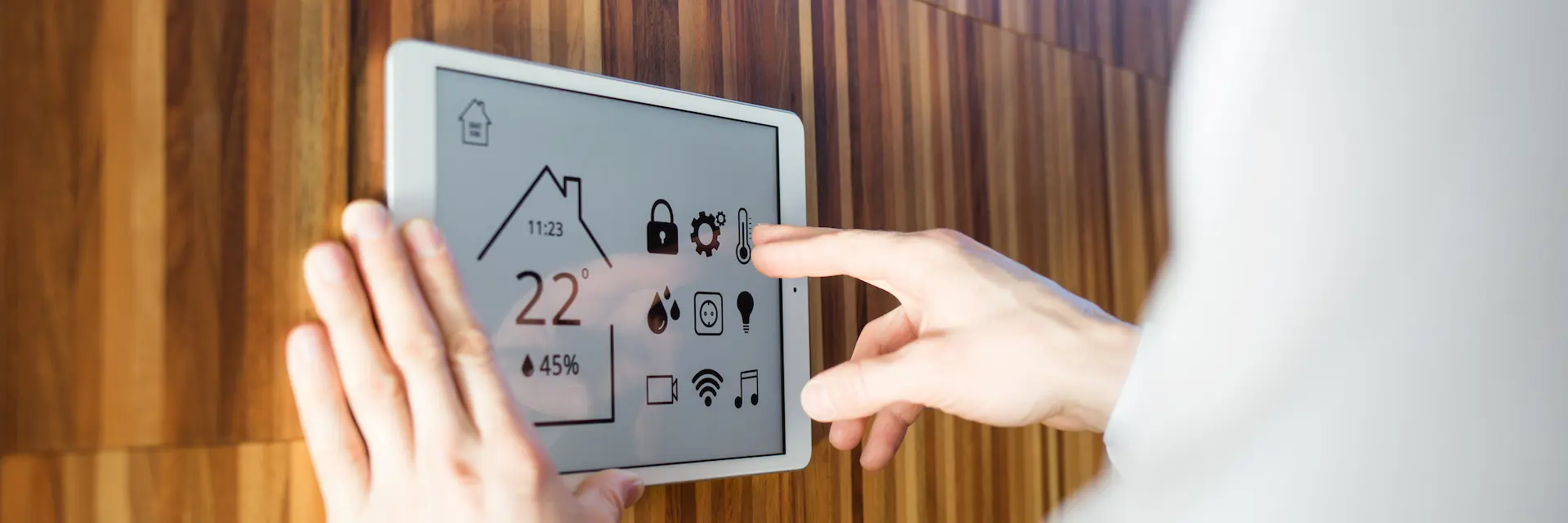
Assistive technology and smart home solutions
Modern technology can significantly enhance barrier-free living:
Smart home systems:
Voice-controlled light switches, automatic shutters, and intelligent heating controls make everyday life easier and can be retrofitted.
Emergency and safety systems:
Home emergency call systems, smoke detectors with vibration or light signals, and automatic door openers increase safety and independence.
Cost coverage:
Health insurers and long-term care funds often cover the costs of necessary assistive technologies. An application should be submitted before purchase.
E-Homes: your partner for barrier-free housing solutions
E-Homes understands that barrier-free living is more than just meeting technical standards. It is about quality of life, independence, and the assurance that you can live comfortably even as life circumstances change.
Our portfolio includes both furnished apartments for rent and condominiums with thoughtful, barrier-free solutions. We place particular emphasis on:
- Central locations with excellent infrastructure
- High-quality, easy-care fittings
- Well-designed layouts without unnecessary barriers
- Modern technical equipment
- Professional advice on all questions of accessibility
Conclusion: your path to a barrier-free apartment in Berlin
Finding or buying a barrier-free apartment in Berlin requires time, patience, and expert advice. Investing in barrier-free housing pays off in the long term, both for your quality of life and financially.
Berlin offers a growing range of barrier-free housing options across all price segments. From modern new builds in central locations to renovated period buildings in up-and-coming districts, there are suitable solutions for every need and budget.
Government funding and the construction industry’s increasing awareness of barrier-free living provide additional opportunities. Use the various advisory services and get professional support for your search or purchase.
Discover your barrier-free dream apartment now. Contact E-Homes for personal advice and find the perfect solution for your housing needs in Berlin.
Frequently asked questions about barrier-free living in Berlin
What does a barrier-free rental apartment in Berlin cost?
Rents for barrier-free apartments are about 10 to 20 percent above standard rent levels. A 2-room apartment with 60 square meters costs between 1,200 and 1,800 euros per month including utilities, depending on the district and fittings. Prices are higher in central areas such as Mitte or Charlottenburg, while districts like Neukölln or Wedding offer more affordable options.
What funding is available for barrier-free conversion?
There are various funding options. The KfW program Age-appropriate Conversion offers grants up to 6,250 euros. Long-term care funds pay up to 4,000 euros for care-related adaptations, and Berlin’s modernization program provides low-interest loans. In addition, Integration Offices support employed people with disabilities.
What is the difference between barrier-free and wheelchair-accessible?
Barrier-free under DIN 18040-2 means apartments can be used with walking aids or a rollator. Wheelchair-accessible sets higher requirements such as larger maneuvering spaces of 150 x 150 cm, wheelchair-accessible worktops, and wider doors of at least 90 cm. Wheelchair-accessible apartments are automatically barrier-free, but not vice versa.
In which Berlin districts will I find the most barrier-free apartments?
Mitte, Charlottenburg-Wilmersdorf, and Steglitz-Zehlendorf offer the highest density of barrier-free apartments due to many new buildings and strong infrastructure. Neukölln and Wedding are becoming attractive alternatives with new, affordable barrier-free projects and improved infrastructure.
Can I reduce my rent if the apartment is not properly barrier-free?
If barrier-free features were promised in the lease but are not present, you are entitled to a rent reduction. The reduction amount depends on the severity of the defects. For missing grab rails, 5 to 10 percent may be appropriate, while unusable sanitary facilities can justify up to 25 percent. Document defects in writing and set a deadline for the landlord to remedy them.

You may also find these articles interesting
Buy a commission-free apartment in Berlin: Tips and checklist
Buy an Apartment in Lankwitz – Quiet, Green & Well Connected